As a marketing enthusiast and sports fan, I’ve always been intrigued by the intersection of business and athletics. Today, I want to take you on a journey through the captivating history of sports sponsorship in the UK. It’s a tale that spans over a century, filled with innovation, controversy, and game-changing moments that have shaped the sports industry as we know it today.
The Early Days: Tobacco Cards and Minstrel Shows
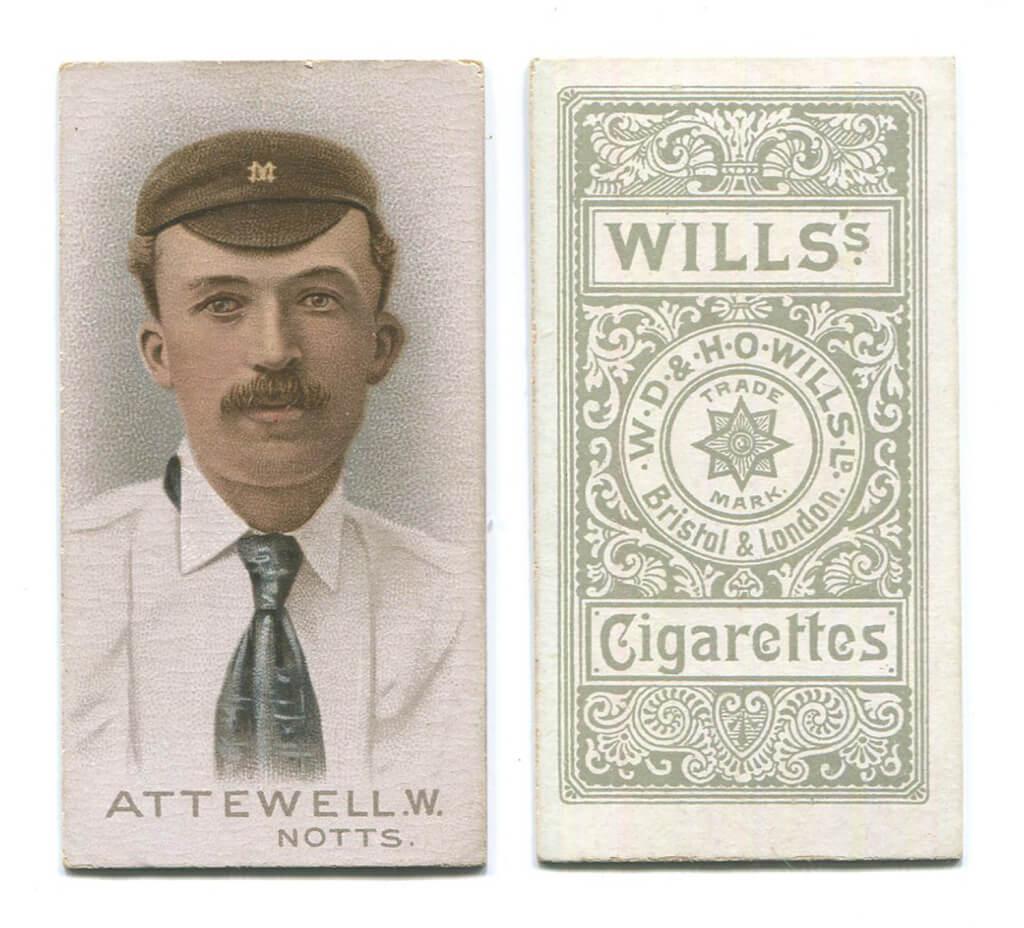
Believe it or not, the roots of sports sponsorship in the UK can be traced back to the late 19th century. While it might not have been sponsorship in the modern sense, it was certainly the beginning of something big. In 1896, W.D. & H.O. Wills, a tobacco company, released a series of 50 cricket cards (https://redmandarin.com/a-brief-history-of-sponsorship/). This was followed by a set of 66 football cards in 1902. These collectable cards, featuring images of popular athletes, were used to stiffen cigarette packs and quickly became a hit with consumers.
It wasn’t just tobacco companies getting in on the action, though. Around the same time, patent medicine companies like Lydia E. Pinkham’s Vegetable Compound were sponsoring women’s clubs and societies to promote their products. Meanwhile, food and beverage giants like Coca-Cola were sponsoring county fairs and agricultural shows to reach rural consumers.
The Birth of Modern Sports Sponsorship
While these early promotional efforts were certainly innovative, they weren’t quite what we’d consider sponsorship today. The first recorded instance of modern sports sponsorship in the UK came much later, in 1976, and it’s a story that never fails to amaze me.
On 24 January 1976, a small Southern League club called Kettering Town made history. They became the first British football club to play with a sponsor’s name on their shirts (https://www.campaignlive.co.uk/article/history-advertising-7-first-sponsored-football-shirt/1058182). The sponsor? A local company called Kettering Tyres. This groundbreaking move was orchestrated by Derek Dougan, the club’s newly appointed chief executive.
Now, you might think this would have been celebrated as a brilliant business move, but that wasn’t the case at all. The Football Association (FA) immediately cried foul and ordered the club to remove the sponsor’s name from their shirts. Dougan, never one to back down easily, tried to outsmart the FA by changing the wording to “Kettering T” and claiming the “T” stood for “Town”. Nice try, Derek, but the FA wasn’t having it.
The Fight for Sponsorship Rights
Faced with the threat of a £1,000 fine (a significant sum in those days), Kettering Town eventually had to relent. But Dougan wasn’t about to let the matter drop. Along with Bolton Wanderers and Derby County, Kettering lobbied the FA to allow shirt sponsorship. Their persistence paid off, and in June 1977, the ban was lifted.
However, it wasn’t all smooth sailing from there. The Football League initially limited the size of sponsors’ names to appease fans and avoid falling foul of the BBC’s rules about advertising messages during broadcasts. Ironically, Kettering Town failed to find a shirt sponsor for the following season, but they had set the ball rolling for a revolution in football financing.
The Sponsorship Boom
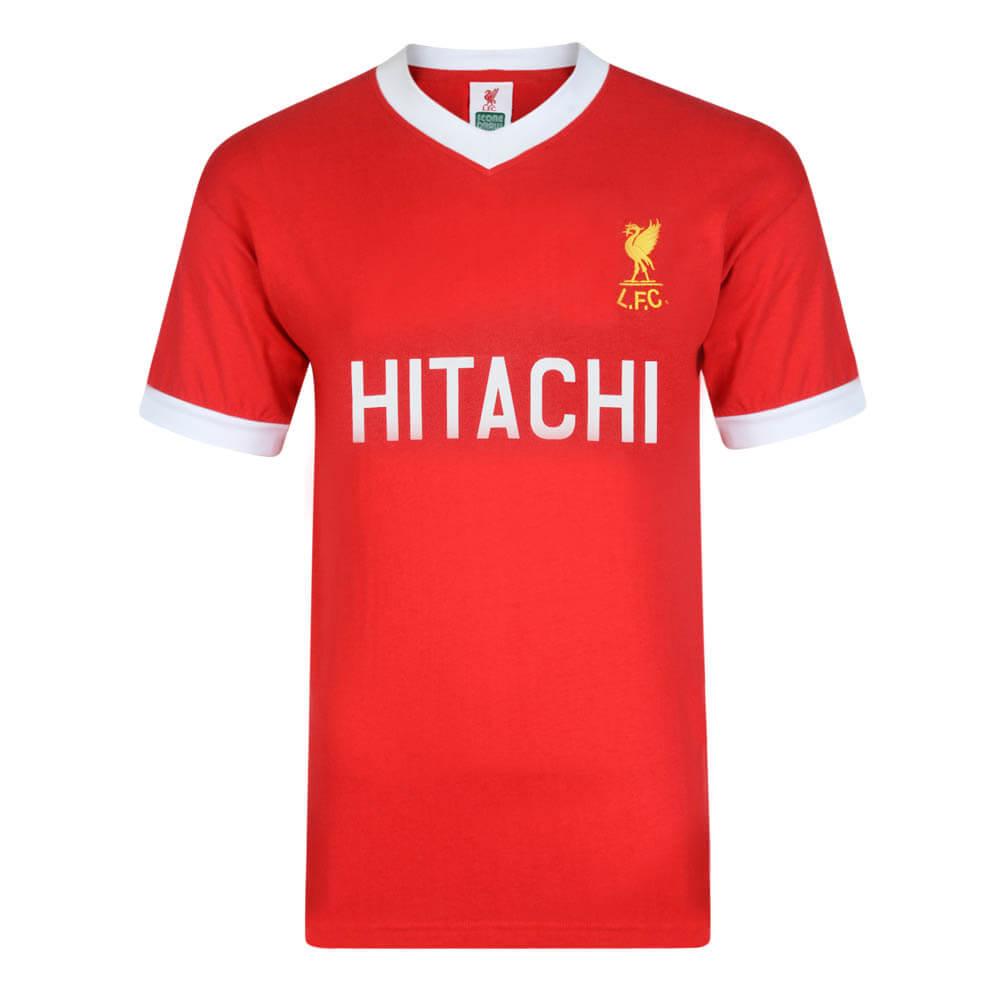
Once the floodgates were opened, it didn’t take long for bigger clubs to jump on the sponsorship bandwagon. In 1979, Liverpool became the first top-flight English club to sign a shirt sponsorship deal, partnering with electronics manufacturer Hitachi (https://www.thesportsman.com/features/on-this-day-how-kettering-town-became-the-trailblazers-of-football-sponsorship). This deal, worth £100,000 over two years, was a game-changer.
Other clubs quickly followed suit. Arsenal signed with JVC in 1981, despite initial reservations from their chairman, Peter Hill-Wood, who worried about losing the club’s identity. Manchester United partnered with Sharp in 1982, marking the beginning of a long and successful relationship that would last until 2000.
Beyond Football: Sponsorship Spreads
While football was leading the charge, other sports weren’t far behind. In fact, some had been ahead of the game all along. Did you know that Slazenger has been the official tennis ball supplier for Wimbledon since 1902 (https://www.clipperroundtheworld.com/partnerships/insight/surprising-sports-sponsorships)? That’s over a century of partnership!
Cricket, another quintessentially British sport, also saw early adoption of sponsorship. The Texaco Cup, a football tournament sponsored by the oil company, ran from 1970 to 1975. In 1982, the League Cup became the first major English football competition to negotiate a sponsorship deal, partnering with the National Dairy Council for £2 million. It became known as the “Milk Cup”, setting a precedent for sponsored tournament names that continues to this day.
The Digital Revolution and Modern Sponsorship
As we moved into the 21st century, the landscape of sports sponsorship underwent another significant transformation. The rise of the internet and social media opened up new avenues for brands to connect with fans. Suddenly, it wasn’t just about having your logo on a shirt or a billboard in the stadium. It was about creating engaging content, and interactive experiences, and fostering a sense of community among supporters.
This digital revolution has allowed for more targeted and personalised marketing campaigns. Brands can now reach specific demographics within a fan base, tailoring their messages for maximum impact. It’s also opened up opportunities for smaller brands to get involved in sports sponsorship, as digital platforms often offer more affordable entry points than traditional sponsorship deals.
Unexpected Partnerships and Creative Campaigns
One of the things I love about modern sports sponsorship is the creativity and sometimes downright quirkiness of some partnerships. Take, for example, the case of Cardiff City being sponsored by Welsh indie rock band Super Furry Animals in 1999 to promote their new album. Or how about West Bromwich Albion’s “No Smoking” shirt sponsor in the 1980s?
These unexpected partnerships often generate buzz and media attention, providing value for both the sponsor and the club beyond the financial terms of the deal. They also show how sports sponsorship can be used not just for brand awareness, but also for social messaging and cause marketing.
The Impact of Mega-Deals
As the value of sports sponsorship has grown, so too has the size of the deals. In 2011, Manchester City signed a 10-year, £400 million sponsorship deal with Etihad Airways (https://www.clipperroundtheworld.com/partnerships/insight/surprising-sports-sponsorships). This deal didn’t just cover shirt sponsorship but also included naming rights for the stadium and funding for a new training ground and sports science centre.
These mega-deals have transformed the financial landscape of sports, particularly football. They’ve allowed clubs to invest in better players, improve their facilities, and compete on a global stage. However, they’ve also raised questions about financial fair play and the growing gap between the wealthiest clubs and the rest of the pack.
Sponsorship Beyond the Pitch
It’s important to note that sports sponsorship isn’t just about what happens during the game. Many brands have found creative ways to engage with fans before, during, and after matches. For example, McDonald’s has been a long-time sponsor of the Olympic Games, using the partnership to promote initiatives like their ‘Go Active’ Happy Meals, which included pedometers instead of toys.
Another interesting case is the partnership between UNICEF and Barcelona Football Club. In 2006, instead of a traditional sponsorship where the club receives money, Barcelona agreed to donate to UNICEF and wear the charity’s logo on their shirts. This innovative approach showcased how sports sponsorship can be used for social good, enhancing both the club’s and the sponsor’s reputation.
The Future of Sports Sponsorship in the UK
As we look to the future, it’s clear that sports sponsorship in the UK will continue to evolve. The COVID-19 pandemic has accelerated the shift towards digital engagement, and I expect we’ll see more innovative uses of technology in sponsorship activations. Virtual and augmented reality experiences, for example, could offer new ways for fans to interact with sponsored content.
Sustainability and social responsibility are also likely to play a bigger role in future sponsorship deals. Consumers are increasingly drawn to brands that champion important causes, and sports provide a powerful platform for these messages.
The rise of esports is another trend to watch. As competitive gaming continues to grow in popularity, particularly among younger demographics, we’re likely to see more traditional sports sponsors venturing into this space.
The Academic Perspective
It’s worth noting that sports sponsorship has become a serious academic discipline in the UK. Universities like Loughborough, Manchester Metropolitan, and the University of Stirling offer degrees in sports marketing, training the next generation of professionals in this field. This academic interest not only helps to professionalise the industry but also drives innovation and research into the effectiveness of different sponsorship strategies.
Challenges and Controversies
Of course, the world of sports sponsorship isn’t without its challenges and controversies. There have been ongoing debates about the appropriateness of certain sponsors, particularly those related to gambling and alcohol. The presence of betting companies as shirt sponsors in football, for example, has been a topic of heated discussion in recent years.
There’s also the question of how sponsorship affects the integrity and tradition of sport. Some fans worry that the commercialisation of their beloved clubs and events is changing the nature of the game. Finding the right balance between commercial interests and sporting values remains an ongoing challenge for clubs, governing bodies, and sponsors alike.
Wrapping Up: The Ever-Changing Game of Sports Sponsorship
As we’ve seen, the journey of sports sponsorship in the UK has been a fascinating one. From those early tobacco cards to today’s multi-million pound digital partnerships, it’s a story of innovation, adaptation, and the power of sport to connect brands with passionate fans.
What started with Kettering Town’s bold move in 1976 has grown into a sophisticated industry that plays a crucial role in the financial ecosystem of sports. It’s allowed clubs to grow, competitions to thrive, and fans to engage with their favourite teams and athletes in new and exciting ways.
As someone passionate about both sports and marketing, I find the constant evolution of this field endlessly fascinating. The creativity, strategic thinking, and cultural impact of sports sponsorship make it a uniquely exciting area of the business world.
Looking ahead, I’m eager to see how new technologies, changing consumer behaviours, and evolving social values will shape the future of sports sponsorship in the UK. One thing’s for certain – it won’t be standing still. In the fast-paced world of sports and marketing, the only constant is change. I can’t wait to see what the next chapter holds.
So, the next time you’re watching your favourite team play, take a moment to appreciate the complex world of sponsorship that exists behind those logos on the shirts and billboards around the pitch. It’s a fascinating game within the game and one that continues to shape the sports we love.



Leave a Reply