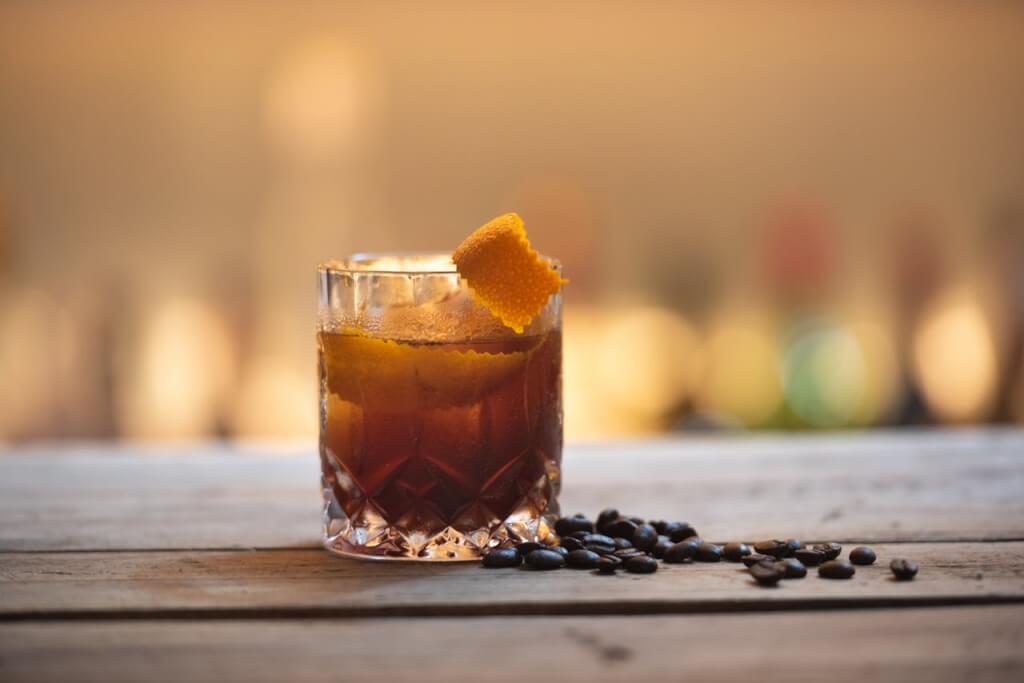
In recent years, rum has been making waves in the UK drinks scene, transforming from a pirate’s tipple to a sophisticated spirit worthy of connoisseurs. As an industry observer, I’ve had the pleasure of witnessing this rum renaissance firsthand. Let’s explore how rum is being marketed in the UK, the key players shaping the industry, and the evolving strategies that are positioning rum as a formidable competitor to whisky.
The Rise of Rum: A Marketing Masterclass
The UK rum market has been experiencing a remarkable surge, with sales reaching £1.1 billion in 2023, outpacing whisky for the second consecutive year[6]. This growth isn’t just a happy accident; it’s the result of clever marketing strategies and a shift in consumer preferences.
Brand Ambassadors: The Face of Rum
One of the most effective marketing tools in the rum industry’s arsenal is the brand ambassador. These charismatic individuals are the lifeblood of rum promotion, bringing the spirit to life in bars and clubs across the country. Take Lewis Cooke, for instance, Bacardí Rum’s UK Brand Ambassador[3]. With over 12 years of experience in the hospitality sector, Cooke’s role is to tell the story of Bacardí’s rum portfolio, emphasising its heritage, craft, and versatility.
Brand ambassadors like Cooke don’t just pour drinks; they create experiences. They host tasting events, train bartenders, and engage with consumers directly. This personal touch helps to demystify rum, making it more approachable and exciting for newcomers while deepening the appreciation of seasoned rum enthusiasts.
Experiential Marketing: Bringing the Caribbean to Britain
Rum brands are increasingly focusing on creating immersive experiences that transport consumers to the spirit’s tropical origins. Malibu, for example, launched a campaign targeting 18-24 year olds with a series of ‘Mish Mash’ events at student union bars and pubs across the country[1]. These events, emphasising the “playful and vibrant Caribbean spirit” of the brand, included DJ performances and the introduction of new cocktails created by consumers.
This approach not only creates memorable brand associations but also taps into the younger demographic’s desire for unique, shareable experiences. It’s a far cry from the traditional image of rum as an old sailor’s drink, positioning it instead as a fun, versatile spirit for a new generation.
The Big Players: Who’s Shaping the Rum Market?
The UK rum market is dominated by a handful of major players, each with their own unique approach to marketing and brand positioning.
Bacardí: The Rum Giant
Bacardí remains a powerhouse in the rum industry, consistently innovating to maintain its market position. The brand has been pushing for premiumisation in the travel retail sector, releasing upscale expressions like Añejo Cuatro, Ocho, and Gran Reserva Diez[8]. Their ‘Depth in Every Drop’ campaign aims to elevate rum’s image, positioning it as a sophisticated spirit on par with premium whiskies and cognacs.
Diageo: Captain Morgan’s Crew
Diageo, with its Captain Morgan brand, holds a significant share of the UK rum market[4]. Captain Morgan has successfully tapped into the spiced rum trend, which has seen strong growth in recent years. The brand’s marketing often leans into the fun, adventurous associations of rum, with campaigns featuring the eponymous captain.
Pernod Ricard: Havana Club’s Cuban Flair
Pernod Ricard’s Havana Club has been making waves with its focus on innovation and artistic collaborations. The brand has been leveraging partnerships with artists like Skepta to attract a younger demographic[7]. Havana Club’s marketing strategy often emphasises its Cuban heritage and authenticity, setting it apart in a crowded market.
The Up-and-Comers: Craft Rum’s Rising Stars
While the big players continue to dominate, a new wave of craft and micro-distillers is bringing fresh energy to the UK rum scene.
English Spirit Distillery
As one of the pioneers of British rum production, English Spirit Distillery has been making waves with its Old Salt Rum[5]. Produced from molasses sourced from the Caribbean and South America, this rum is distilled in a traditional copper pot still, appealing to consumers looking for authenticity and craftsmanship.
Scratch Spirits
Based in Scotland, Scratch Spirits has boldly entered the market with StreetWolf Spiced Rum[5]. By focusing on spice rather than vanilla in their flavour profile, they’re offering a unique take on spiced rum that stands out from the crowd.
Matugga Distillers
Matugga Distillers uses the finest ingredients from Africa, their artisanal rums are carefully handcrafted in Scotland through small-batch copper pot distillation[5].
The Evolution of Rum Marketing: From Pirates to Premiumisation
The marketing of rum has come a long way from its association with pirates and naval traditions. Today’s rum marketing is sophisticated, diverse, and increasingly focused on premiumisation.
Tapping into Cocktail Culture
One of the key strategies in rum’s evolution has been its integration into cocktail culture. Brands are working closely with bartenders to create signature serves that showcase rum’s versatility. The Daiquiri, for instance, is being positioned as rum’s answer to the Margarita, with brands like Ten to One Rum aiming to elevate this classic cocktail[7].
Emphasising Craft and Heritage
Many rum brands are now highlighting their production methods, ageing processes, and historical roots. This approach appeals to consumers who value authenticity and craftsmanship, qualities often associated with premium spirits like whisky and cognac.
Leveraging Digital Platforms
Social media and digital marketing have become crucial tools for rum brands, especially in reaching younger consumers. Platforms like Instagram and TikTok allow brands to showcase their products in visually appealing ways and engage directly with their audience.
Is Rum Gunning for Whisky’s Crown?
While rum sales have surpassed whisky in the UK on-trade, it’s not accurate to say that rum is explicitly targeting whisky’s market share. Rather, rum is carving out its niche in the premium spirits category.
That said, there are certainly opportunities for rum to attract whisky drinkers. The growing trend of finishing rum in unusual casks, for instance, mirrors similar practices in the whisky industry and could appeal to whisky enthusiasts looking to expand their palates[7].
Moreover, as Spiros Malandrakis of Euromonitor International notes, there’s potential for “cross-trading” as drinkers of higher-priced spirits like whisky or cognac look to more affordable premium segments such as rum[7].
The Future of Rum Marketing in the UK
As we look to the future, it’s clear that rum marketing in the UK will continue to evolve. We’re likely to see more focus on premium and super-premium expressions, with brands emphasising unique production methods, exotic origins, and limited editions to justify higher price points.
Sustainability and ethical production are also likely to become more prominent in rum marketing, appealing to environmentally conscious consumers. Brands that can tell compelling stories about their environmental and social impact may find themselves with a competitive edge.
Finally, we can expect to see more innovation in flavours and serves. As consumers become more adventurous and knowledgeable about rum, brands will need to keep pushing the boundaries to stay relevant and exciting.
The rum revolution in the UK is well underway, and it’s an exciting time for both producers and consumers. Whether you’re a longtime rum aficionado or a curious newcomer, there’s never been a better time to explore the rich and diverse world of rum. So next time you’re at the bar, why not skip the usual and ask for a rum? You might just discover your new favourite spirit.
References and Further Reading
[1] Malibu campaign to target 18-24 year olds – Marketing Week
[2] It’s time for spirits to hit back – Morning Advertiser
[3] Bacardí Rum announces Lewis Cooke as new UK Brand Ambassador – The Drinks Report
[4] The UK rum market – a deep-dive analysis – Just Drinks
[5] Matugga Rum https://www.matuggarum.com
[6] Rum sales surpass whisky in GB on-trade – The Spirits Business
[7] Is rum finally turning premium? – The Spirits Business
[8] How rum brand owners are racing to catch the premiumisation train – Drinks Intel
[9] Dive into Britain’s Boozy Rum History – Jim & Tonic



Leave a Reply