Are Hotels Playing Banker With Our Money?Why Your Early Check-In Might Say More Than You Think
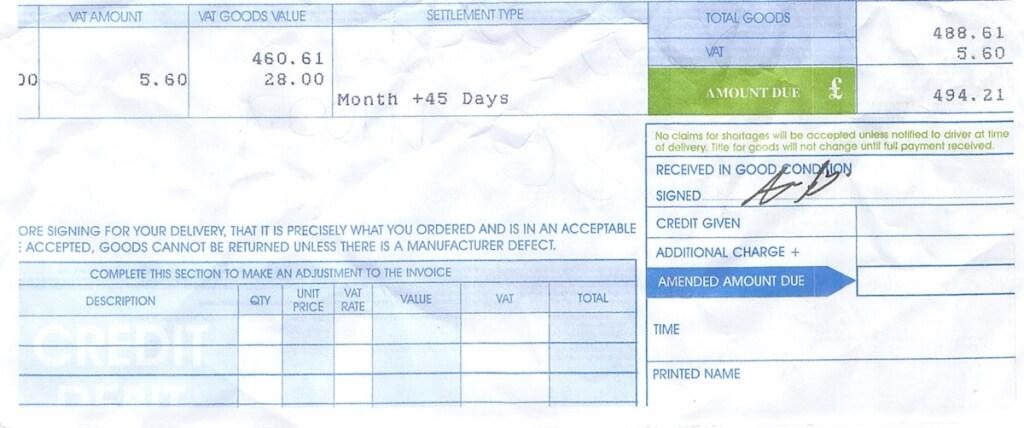
This week, I found myself checking into a hotel in Sussex, bright and early. You know the drill: hand over your bag, let the receptionist scribble your room number on a piece of paper, and dash out to get on with your day. But later, when I eventually made it to my room, I spotted that paper again. It had my room number, but the scrap itself was a reused invoice. Recycling in action, I thought. But then the payment terms jumped off the page: “month +45 days”.
That got me thinking. In our modern business landscape, what does month-plus-forty-five actually mean? And is this just a quirky accounting detail or something more significant? Bear with me, this is about more than accounting jargon. Let’s talk about how hotels, and plenty of other businesses, make a turn at both ends.
Month +45 Payment Terms: What’s the Big Deal?
If you’re unfamiliar, “month +45 days” means that suppliers provide their goods or services, then wait until the end of the month plus another 45 days before seeing any cash. In practical terms, if I supply the hotel on 1 August, I could be waiting until mid-October for payment.
Now, here’s what struck me. When I checked in at the hotel, I paid for my stay upfront. The hotel sat on my money days before I ever used the room or their services. Flip the script, and their suppliers are forced to wait. The hotel gets my money, holds onto it, and delays paying suppliers. They’re getting an interest-free loan from the supplier, while sitting pretty with the guest’s cash.
It’s a surprisingly common arrangement, not just in hotels but across retail and hospitality. Cold, hard cash in from the customer, delayed payments out to suppliers. If your business can pull it off, you’re effectively acting as a financial institution – borrowing from suppliers, lending (temporarily) to nowhere in particular, and all without formal regulation.
Why Do Suppliers Tolerate This?
So, are suppliers required to be lenders to their customers? Not officially, but in practice, yes. Payment terms like “month +45” mean suppliers, often with their own costs rolling in, are forced to finance their client’s operations for weeks or even months. Unless they’re big enough to dictate terms (think utilities or national chains), most businesses simply shrug and accept.
There’s rarely any interest charged by suppliers for these protracted terms. If you tried to borrow from your bank without paying interest, you’d be shown the door. But businesses, especially small suppliers, can’t afford to lose the sale, so they play along.
Hotels as Accidental Bankers
Here’s where hotels really benefit. Guests pay early – sometimes weeks in advance, especially with online deals or peak season bookings. The hotel holds that money, using it to cover costs, invest, or simply cushion their cash flow. Their suppliers, on the other hand, are waiting for payment, often financing stock, staff, and other expenses themselves.
Hotels are not alone. Retailers, restaurants, holiday parks, you name it – most operate with this same cash cycle. It’s a clever use of other people’s money, and while it’s not against the rules, it certainly makes you think about where your cash is going.
I’m not having a go at hotels for recycling paper – good on them for reusing something that would otherwise get tossed. But the casual use of supplier invoices as scrap means these cash flow arrangements are so normalised, few give them a second thought.
Cash Flow, Power, and Business Realities
So what does this mean in the wider context? At its heart, this is all about power. The bigger the business, the more it can dictate terms. The smaller the supplier, the less choice they have. Upfront payments from guests, delayed payments to suppliers. Somewhere in the middle, the business floats on cash it doesn’t truly own.
Of course, not every hotel or business is out to exploit the gap. Sometimes, these arrangements are baked in by tradition, or simply unavoidable thanks to the way supply chains work. But as consumers and suppliers, it’s always worth understanding who’s holding the cards.
If you’re a supplier, negotiating fairer terms or offering a discount for quicker payment can help. If you’re a business owner, remember that relationships matter – squeezing suppliers dry won’t help anyone long-term. And if you’re a customer, realise your advance payment might be oiling more gears than just your holiday.
Should We Mind?
What troubles me is how normal it’s become for suppliers to act as informal lenders without any of the perks. The banks aren’t the only ones making money from the float.
As for hotels, they’ve mastered the art of making a turn at both ends. They collect the guest’s cash upfront and keep suppliers waiting. In essence, as I saw with the recycled invoice, the whole system is quietly built on the patience of small suppliers, while customers unknowingly fund the show.
Next time you’re checking in, take a glance at the paperwork – you might just see the hidden workings of the modern business machine.
References and Further Reading
- What are trade credit payment terms?: https://www.simplybusiness.co.uk/knowledge/articles/2019/09/what-are-trade-credit-payment-terms/
- How hotels manage cash flow: https://www.hotelmanagement.net/operate/how-hoteliers-can-better-manage-cash-flow
- How to negotiate better payment terms (UK suppliers): https://www.fsb.org.uk/resources-page/how-to-negotiate-better-payment-terms.html



Leave a Reply