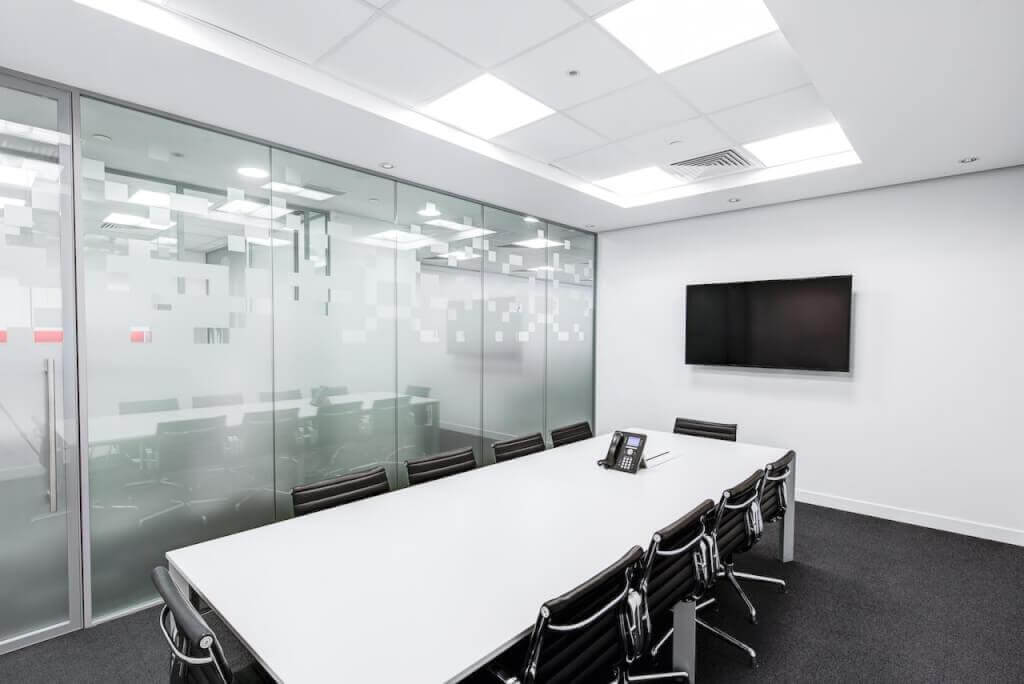
Board meetings are a crucial part of the governance process for businesses, as they provide an opportunity for directors to discuss strategic issues and make important decisions. This article explores why board meetings are important, particularly for small and medium-sized enterprises (SMEs). I will begin by defining what a board meeting is, before outlining the significance of these meetings for SMEs. Additionally, I will look at the benefits of holding regular board meetings and give some advice on how to structure them effectively. Then, I will delve into the roles of key individuals within board meetings such as the chairperson, directors, and company secretary. Finally, this article will conclude with a summary of our findings.
Firstly, it is essential that we define what is meant by ‘board meeting’. A board meeting refers to a formal gathering of directors or members of a governing body who have responsibility for overseeing an organisation’s affairs. The primary purpose of these gatherings is to discuss matters relating to overall strategy such as risk management policies, financial performance goals and other critical issues affecting business operations.
Small businesses typically face numerous challenges in their quest towards growth and success. However, regular board meetings can be a valuable tool in helping SMEs overcome some of these obstacles. Board meetings offer several advantages including increased accountability among stakeholders regarding decision-making processes while providing direction towards achieving broader organisational objectives.
Holding regular board meetings allows companies’ leadership team members – often those who have significant expertise relevant to specific aspects of corporate governance – gather regularly enough so that problems can be discussed thoroughly rather than having urgent situations force hasty resolutions under pressure.
Additionally, there are many tangible benefits associated with conducting regular board meetings in SMEs settings; which include improved communication among staff members since everyone has an opportunity to present ideas and opinions during discussions leading up to each event; better decision-making thanks in part due diligence research done beforehand; more effective planning prior-to execution on long-term strategies so all parties involved are on the same page; and increased engagement from key stakeholders throughout the organisation as people feel involved in an open dialogue about important issues affecting the company.
Structuring board meetings is essential so that everyone knows what to expect. Some tips for structuring effective board meetings include setting clear objectives, creating a detailed agenda, providing all materials prior to each meeting, and ensuring that everyone has adequate time for discussion of any points raised in the agenda. A successful SME board meeting will be able to provide clarity around strategy implementation while ensuring accountability by addressing concerns or potential consequences related to proposed actions before they occur.
The role of chairperson during a board meeting is critical because they lead discussions, facilitate constructive debate among members and helps ensure all viewpoints are heard. An experienced chair can help establish an environment conducive to productive conversation where everyone feels comfortable voicing their thoughts without fear of being shut down prematurely.
Directors play another crucial role in SMEs’ board meetings by contributing expertise relevant to specific aspects of corporate governance such as finance or operations management. Their opinions carry weight since they may have experience dealing with similar situations before which makes them valuable contributors when decisions need guidance based on past experiences.
Finally, company secretaries offer significant value in managing administrative tasks necessary for conducting effective board meetings. They take care of minute-taking (recording details about every decision made), documentation preparation beforehand, keeping tabs on compliance requirements set forth by laws and regulations governing how businesses operate within given jurisdictions,
In conclusion, regular board meetings play an essential role in business administration for small and medium-sized enterprises. They enable firms’ leadership teams – including directors/chairpersons/company secretaries – discuss strategic issues effectively while helping ensure proper communication channels exist between staff members so progress towards broader organisational goals can continue unabated leading up-to execution on long-term strategies.
Must haves for effective SME board meetings
- Structured agendas
- Address key areas requiring attention
- Contributions from experienced parties involved across various levels throughout organisations,
- Best practices regarding chairing the board meeting
The benefits of well run board meetings for SMEs
- Better decision-making processes
- Increased accountability among stakeholders
- More engaged workforce



Leave a Reply