I’ve seen my fair share of bold advertising strategies over the years. But let me tell you, the last decade has brought us some truly unforgettable – and often controversial – marketing campaigns that have set social media ablaze. Today, I want to dive into the world of provocative marketing and explore how some brands have leveraged shock value to their advantage, while others have faced significant backlash.
I remember when marketing was all about catchy jingles and flashy billboards. Now, in the age of social media, brands are constantly pushing the envelope to cut through the noise and capture our attention. It’s a high-stakes game, and the rewards can be immense if you get it right. But get it wrong, and you might find yourself in the middle of a PR nightmare.
Let’s start with a recent campaign that really caught my eye. In March 2022, women’s health brand Elvie decided to tackle a taboo subject head-on with their “Leaks Happen” campaign. Now, I’ve seen my fair share of daring marketing stunts, but this one really took the cake. Picture this: a giant billboard featuring a woman squatting and lifting weights, complete with liquid to portray urination. Talk about making a splash!
The goal? To raise awareness about women’s incontinence, a topic that’s often swept under the rug. As someone who’s always looking for innovative marketing approaches, I have to hand it to Elvie. They didn’t just push the boundaries; they obliterated them. The campaign generated a whopping 3 million views on TikTok and 1.9k views on YouTube. That’s the kind of engagement that makes marketers sit up and take notice.
But Elvie’s campaign is just the tip of the iceberg when it comes to controversial marketing. Let’s rewind a few years and look at some other campaigns that stirred up the social sphere.
One campaign that really struck a chord with me was Always’ #LikeAGirl campaign from 2014. As a father and grandfather, I’ve always been passionate about empowering young people, especially girls. This campaign took a phrase that was often used as an insult and turned it on its head, redefining it as a positive statement of strength and capability.
The results were nothing short of phenomenal. The campaign video racked up an incredible 70 million views on YouTube and 20.5 million views on TikTok. On Twitter, it garnered over 10,000 likes and 814 retweets. These numbers aren’t just impressive; they’re a testament to the power of a well-executed, meaningful campaign.
What I love about the #LikeAGirl campaign is how it tapped into a broader social conversation about gender stereotypes and female empowerment. It wasn’t just about selling products; it was about changing perceptions and inspiring confidence in young girls. That’s the kind of marketing that leaves a lasting impact.
Now, let’s talk about a campaign that really stirred the pot: Gillette’s #TheBestMenCanBe campaign from 2019. This one hit close to home for many men, myself included. The campaign aimed to challenge traditional male stereotypes and encourage positive masculinity in the wake of the #MeToo movement.
I’ve got to hand it to Gillette; they didn’t shy away from controversy. The campaign video, which addressed issues like bullying and sexual harassment, generated a massive response on social media. We’re talking 4 million views on YouTube, over 200,000 retweets on Twitter, and more than half a million likes across various platforms.
But here’s the thing about controversial marketing: it’s a double-edged sword. While the campaign certainly got people talking, it also faced significant backlash from those who felt it painted all men in a negative light. Some even called for a boycott of Gillette products.
As a marketer, I found this campaign fascinating. It’s a prime example of how brands are increasingly taking stands on social issues. But it also shows the risks involved. When you touch on sensitive topics, you need to be prepared for both positive and negative reactions.
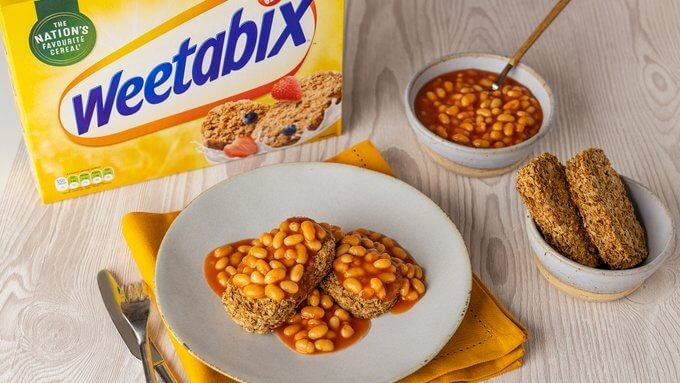
Speaking of reactions, let’s talk about a campaign that took the internet by storm in a completely different way. In 2021, Weetabix decided to shake things up with their “Beanz on Bix” post on social media . Now, I’ve seen some unusual food combinations in my time, but this one really took the biscuit.
The post, which suggested serving Weetabix with baked beans, went viral almost instantly. It racked up over 36,000 retweets, nearly 69,000 quoted tweets, and a staggering 130,000 likes on Twitter alone. But what really caught my attention was how other brands jumped on the bandwagon, creating a hilarious thread of responses.
This campaign is a perfect example of how sometimes, the most effective marketing doesn’t take itself too seriously. By creating a playful, slightly absurd post, Weetabix managed to capture the internet’s attention and create a moment of levity during a challenging time. It’s a reminder that in marketing, sometimes it pays to be a little bit silly.
Now, let’s talk about a campaign that turned a potential PR disaster into a marketing triumph. In 2018, KFC faced a major crisis in the UK when they ran out of chicken (yes, you read that right). Instead of trying to sweep the issue under the rug, they came out with a bold print ad that simply said “FCK” in their signature font.

The ad was a masterclass in crisis management. It was honest, it was humorous, and most importantly, it was human. The campaign reached a global audience of 797 million and generated over 700 press articles and TV discussions. On social media, it garnered hundreds of likes and retweets.
What I love about this campaign is how it turned a negative situation into a positive brand moment. KFC didn’t try to make excuses or shift blame. Instead, they owned up to their mistake in a way that was both apologetic and endearing. It’s a great reminder that sometimes, the best way to handle a crisis is with a healthy dose of humour and humility.
Now, you might be wondering, “Kevin, what’s the secret to creating a successful controversial marketing campaign?” Well, let me tell you, it’s not as simple as just stirring up controversy for the sake of it. There’s a fine line between provocative and offensive, and the most successful campaigns know how to walk that line.
First and foremost, it’s about understanding your audience. You need to know what matters to them, what moves them, and what might potentially offend them. Take the Always #LikeAGirl campaign, for example. They understood that their audience cared deeply about female empowerment and gender equality. By tapping into these values, they created a campaign that resonated on a deep, emotional level.
Secondly, timing is everything. The Gillette #TheBestMenCanBe campaign was launched at the height of the #MeToo movement when conversations about toxic masculinity were already at the forefront of public discourse. By joining this conversation, Gillette positioned themselves as a brand that was in touch with current social issues.
But here’s the thing: controversial marketing isn’t just about jumping on the latest social bandwagon. It’s about authenticity. Your campaign needs to align with your brand values and feel genuine. If it comes across as opportunistic or insincere, it can backfire spectacularly.
Take the Elvie “Leaks Happen” campaign. As a women’s health brand, tackling the issue of incontinence felt authentic and aligned with their mission. If a brand with no connection to women’s health had tried a similar campaign, it might have come across as exploitative or tone-deaf.
Another crucial aspect of controversial marketing is being prepared for the response. When you put out a provocative campaign, you need to be ready for both positive and negative reactions. This means having a solid social media strategy in place, being prepared to engage in dialogue with your audience, and having a crisis management plan ready just in case things go south.
The KFC “FCK” campaign is a great example of this. They knew their chicken shortage was going to generate a lot of negative press, so they got ahead of the narrative with their bold apology ad. By doing so, they were able to control the conversation and turn a potential PR disaster into a marketing win.
Now, I know what some of you might be thinking. “Kevin, isn’t controversial marketing just a way to get attention without substance?” And yes, sometimes it can be. There are certainly brands out there that court controversy just for the sake of getting noticed. But the most successful controversial campaigns are those that go beyond shock value and actually say something meaningful.
Look at the Always #LikeAGirl campaign. Yes, it was provocative in the way it challenged gender stereotypes. But it wasn’t just about getting attention. It was about changing perceptions, empowering young girls, and starting important conversations about gender equality. That’s the kind of substance that turns a controversial campaign into a cultural moment.
Of course, not every brand needs to tackle heavy social issues to create a successful controversial campaign. Sometimes, it can be as simple as challenging conventions in your industry. The Weetabix “Beanz on Bix” post is a great example of this. It wasn’t addressing any deep social issues, but it was challenging the conventional way people think about breakfast. And in doing so, it created a moment of joy and levity that resonated with people.
Now, let’s talk about the role of social media in controversial marketing. In today’s digital age, social media is where these campaigns live or die. It’s where they gain traction, where they spark conversations, and sometimes, where they face backlash.
The power of social media in amplifying controversial campaigns cannot be overstated. Just look at the numbers: the Always #LikeAGirl video got 70 million views on YouTube and 20.5 million on TikTok. The Gillette #TheBestMenCanBe campaign generated over 200,000 retweets on Twitter. These are the kind of numbers that traditional marketing channels can only dream of.
But here’s the thing about social media: it’s a double-edged sword. Yes, it can amplify your message and help it reach millions of people. But it can also amplify criticism and negative reactions. When you put out a controversial campaign on social media, you’re essentially inviting the whole world to weigh in on it. And not everyone is going to love what you have to say.
This is why it’s crucial to have a solid social media strategy in place before launching a controversial campaign. You need to be prepared to engage with your audience, address concerns, and manage any potential backlash. It’s not enough to just put your message out there and hope for the best. You need to be an active participant in the conversation you’ve started.
Another important aspect of controversial marketing in the social media age is the potential for user-generated content. When you create a campaign that really resonates with people, they’re likely to create their own content around it. This can be incredibly powerful, as it extends the reach of your campaign far beyond your initial efforts.
The #LikeAGirl campaign is a great example of this. After the initial video was released, countless people created their own videos and posts showing what it means to do something “like a girl”. This user-generated content helped to keep the campaign alive and relevant long after its initial launch.
Now, let’s talk about measurement. How do we determine if a controversial marketing campaign has been successful? Well, it’s not always as straightforward as looking at sales figures (although those can certainly be a factor).
When it comes to controversial campaigns, success often needs to be measured in terms of engagement and impact. How many people saw your campaign? How many shared it? What kind of conversations did it start? Did it change perceptions or behaviours?
Take the Elvie “Leaks Happen” campaign, for example. Success for them wasn’t just about selling more products. It was about breaking down taboos around women’s incontinence and starting important conversations about women’s health. The fact that their campaign generated millions of views on social media is a strong indicator that they achieved this goal.
Similarly, for the Gillette #TheBestMenCanBe campaign, success wasn’t just about razor sales. It was about positioning Gillette as a brand that cares about social issues and is willing to challenge toxic masculinity. The fact that their campaign video was viewed millions of times and generated hundreds of thousands of social media interactions suggests that they succeeded in getting their message out there, even if not everyone agreed with it.
Of course, at the end of the day, most brands are hoping that their controversial campaigns will ultimately lead to increased sales or brand loyalty. But it’s important to remember that these effects might not be immediate. Controversial campaigns often work by building brand awareness and affinity over time, rather than driving immediate sales spikes.
Now, I want to address something that I think is really important when it comes to controversial marketing: responsibility. As marketers, we have a responsibility to consider the potential impact of our campaigns, both positive and negative.
Yes, controversial marketing can be a powerful tool for getting attention and starting important conversations. But we need to be mindful of the messages we’re putting out there and the effect they might have on people. It’s not just about avoiding offense (although that’s certainly important). It’s about considering the broader implications of our campaigns.
Take the Gillette campaign, for example. While it was aimed at challenging toxic masculinity, some critics argued that it painted all men with the same brush and could potentially alienate Gillette’s core customer base. Whether you agree with this criticism or not, it’s the kind of potential impact that needs to be carefully considered before launching such a campaign.
On the flip side, campaigns like Always’ #LikeAGirl show how controversial marketing can be used responsibly to challenge harmful stereotypes and promote positive messages. By redefining what it means to do something “like a girl”, they’re helping to build confidence in young women and girls.
As we wrap up this deep dive into controversial marketing campaigns, I want to leave you with a few key takeaways:
- Controversial marketing can be incredibly powerful when done right. It can help your brand cut through the noise, start important conversations, and create lasting connections with your audience.
- Authenticity is key. Your controversial campaign needs to align with your brand values and feel genuine. If it comes across as opportunistic or insincere, it’s likely to backfire.
- Be prepared for both positive and negative reactions. Have a solid strategy in place for engaging with your audience and managing potential backlash.
- Consider the broader implications of your campaign. As marketers, we have a responsibility to think about the messages we’re putting out into the world and their potential impact.
- Success in controversial marketing isn’t always about immediate sales. Often, it’s about building brand awareness, starting conversations, and positioning your brand as one that’s in touch with important social issues.
- Social media is a crucial battleground for controversial campaigns. It’s where your campaign will live or die, so make sure you have a strong social media strategy in place.
- Don’t be afraid to use humour or unconventional ideas. Sometimes, the most effective controversial campaigns are those that don’t take themselves too seriously.
In the end, controversial marketing is all about taking risks. But as any entrepreneur will tell you, with great risk comes the potential for great reward. If you can create a campaign that pushes boundaries, starts conversations, and resonates with your audience on a deep level, you might just find yourself with a marketing triumph on your hands.
So, the next time you’re planning a marketing campaign, don’t be afraid to push the envelope a little. Just make sure you do it thoughtfully, authentically, and with a clear understanding of your audience and your brand values. Who knows? You might just create the next campaign that breaks the internet.
Further Reading
- https://think3.co.uk/blog/controversial-marketing-campaigns-that-just-work
- https://research.cbs.dk/files/60000473/Mads_Hauge_Lindum_Patrick_Walther_Thomsen.pdf
- https://sproutsocial.com/insights/guides/social-media-crisis-management/
- https://startupsmagazine.co.uk/article-most-controversial-marketing-campaigns-social-media

Leave a Reply