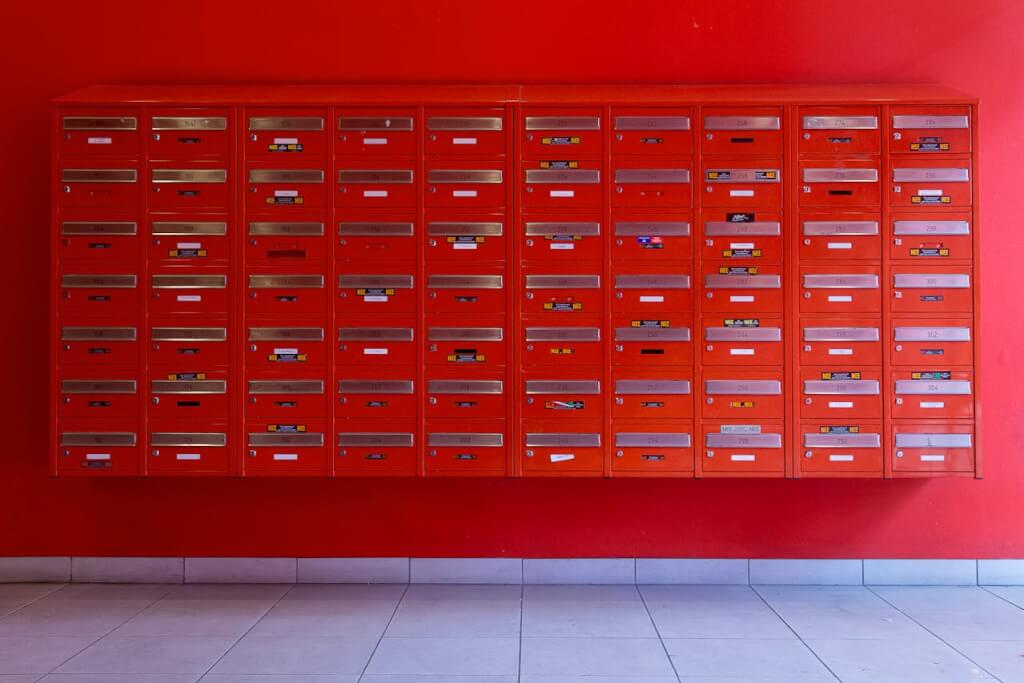
In today’s digital age, where email and social media marketing have become ubiquitous, it’s easy to overlook the potential of traditional marketing methods like physical letters, cards, and postcards. However, the tide is turning. As digital marketing channels become increasingly saturated, the effectiveness of email and social media marketing is diminishing. This shift presents a unique opportunity for businesses to stand out by revisiting old-school media. Let’s look into why this is happening, the sectors that can benefit most, and how to effectively implement these traditional marketing strategies.
The Decline of Digital Marketing Effectiveness
Email and social media marketing have long been hailed as cost-effective and efficient ways to reach a broad audience. However, the landscape is changing. The sheer volume of emails and social media ads people receive daily has led to a phenomenon known as “digital fatigue.” In 2024, it is estimated that over 361 billion emails will be sent per day, contributing to inbox overload and decreasing open rates [10]. Similarly, social media platforms are flooded with ads, making it harder for any single message to stand out [2].
The Resurgence of Direct Mail
In contrast to the overwhelming digital noise, direct mail offers a tangible and personal connection that digital channels cannot replicate. Direct mail campaigns have shown impressive results, with an ROI of 43% in 2022 [6]. This resurgence can be attributed to several factors:
- Tangible Connection: Direct mail provides a physical touchpoint that can create a lasting impression. The act of receiving, opening, and reading a piece of mail engages multiple senses, making the experience more memorable [3].
- Personalisation: Advances in data analytics and printing technology have made it possible to personalise direct mail to a high degree, increasing its relevance and effectiveness [3].
- Less Competition: As more businesses focus on digital marketing, the physical mailbox has become less crowded, giving direct mail a better chance to capture attention [6].
Sectors That Benefit Most from Direct Mail
While direct mail can be effective across various industries, certain sectors stand to gain the most:
Real Estate
Real estate agents and agencies can use direct mail to showcase new property listings, promote open houses, and build brand awareness. The ability to target specific neighbourhoods or demographics makes direct mail a valuable tool for connecting with potential buyers and sellers [4].
Financial Services
Banks, credit unions, and investment firms can leverage direct mail to introduce new products, send personalised offers, and provide educational materials. The tangible nature of direct mail helps establish trust and credibility, which are crucial in the financial sector [4].
Automotive
Car dealerships can use direct mail to inform potential customers about special offers, new models, and upcoming events. By targeting specific demographics or local areas, automotive businesses can optimise their marketing efforts and increase their chances of attracting interested buyers [4].
Healthcare
Healthcare providers, including hospitals, clinics, and private practices, can use direct mail to inform patients about new services, health screenings, and preventative care options. Direct mail allows for personalised communication and facilitates a more engaging experience for patients [4].
Home Improvement
Remodelling companies, landscaping services, and interior design firms can use direct mail to showcase their expertise, highlight previous projects, and offer exclusive discounts. The visual appeal of direct mail can inspire homeowners and prompt them to pursue their renovation goals [4].
How to Implement Effective Direct Mail Campaigns
Implementing a successful direct mail campaign involves several key steps:
Define Your Goals
Before you start, it’s crucial to define what you want to achieve with your direct mail campaign. Are you looking to generate leads, build brand awareness, or promote a specific product or service? Clear goals will help guide your strategy and measure your success.
Target Your Audience
Effective direct mail campaigns rely on accurate targeting. Use data analytics to segment your audience based on demographics, purchasing behaviour, and other relevant factors. This will ensure that your message reaches the right people.
Create Compelling Content
Your direct mail piece should be visually appealing and convey a clear, compelling message. Use high-quality images and graphics to catch the recipient’s eye, and focus on the benefits of your product or service. Avoid clutter and ensure that your offer is easy to understand.
Personalise Your Message
Personalisation can significantly increase the effectiveness of your direct mail campaign. Use the recipient’s name and tailor the content to their interests and needs. Advances in printing technology make it easier than ever to personalise each piece of mail.
Include a Strong Call-to-Action
A strong call-to-action (CTA) is essential for driving response rates. Whether you want recipients to visit your website, call your business, or visit your store, make sure your CTA is clear and compelling.
Measure Your Results
After your campaign has ended, it’s important to measure the results to understand what worked and what didn’t. Use tracking methods such as unique URLs, QR codes, or specific phone numbers to monitor responses. Analysing your results will help you refine your strategy for future campaigns.
The Future of Marketing: Integrating Digital and Traditional Methods
While direct mail is making a comeback, it’s important to remember that it doesn’t have to replace your digital marketing efforts. Integrating direct mail with digital campaigns can create a synergistic effect that enhances overall engagement and effectiveness. Research shows that integrated campaigns capture 39% more attention and provoke a 5% increase in emotional intensity compared to digital-only initiatives [3].
For example, you can include QR codes or personalised URLs in your direct mail pieces that lead recipients to a landing page or special offer online. This not only makes it easy for recipients to respond but also allows you to track the effectiveness of your campaign and gather valuable data.
Embracing Change and Seizing Opportunities
As marketers, we must be willing to adapt to changing consumer behaviours and trends. The resurgence of direct mail presents a unique opportunity to stand out in a crowded digital landscape. By embracing traditional marketing methods and integrating them with digital strategies, we can create more meaningful connections with our audience and achieve better results.
In conclusion, while email and social media marketing remain important tools in our marketing arsenal, it’s clear that old-school media like physical letters, cards, and postcards have a valuable role to play. By understanding the unique advantages of direct mail and implementing effective campaigns, businesses across various sectors can tap into this powerful marketing channel and drive growth in 2024 and beyond.
Positive Case Studies of Direct Mail Marketing in the UK
In a world dominated by digital marketing, the resurgence of traditional methods like direct mail has been nothing short of remarkable. As businesses seek to cut through the digital noise, direct mail offers a tangible and personal touch that can significantly enhance marketing efforts. Let’s explore some positive case studies from the UK that highlight the effectiveness of direct mail marketing and demonstrate its potential across various sectors.
Sky and the Power of Personalisation

Sky, a leading telecommunications company, leveraged direct mail to boost its customer engagement and retention rates. By utilising personalised mailers that addressed customers by name and tailored offers based on their viewing habits, Sky was able to create a more intimate connection with its audience. This approach resulted in a significant increase in customer retention and a notable rise in the uptake of additional services. The campaign’s success underscores the importance of personalisation in direct mail marketing, proving that a tailored approach can yield impressive results.
Land Rover’s Innovative Approach

Land Rover, a prestigious automotive brand, embarked on a direct mail campaign that combined traditional mail with digital elements. The company sent out beautifully designed brochures featuring augmented reality (AR) technology. Recipients could use their smartphones to interact with the mailer, bringing the Land Rover experience to life in their own homes. This innovative blend of direct mail and digital technology not only captivated the audience but also led to a substantial increase in test drive bookings and sales inquiries. Land Rover’s campaign highlights the potential of integrating direct mail with modern technology to create a memorable customer experience.
IKEA’s Sustainable Marketing Initiative

IKEA, known for its commitment to sustainability, utilised direct mail to promote its eco-friendly product range. The company sent out mailers printed on recycled paper, featuring tips on sustainable living and exclusive discounts on eco-friendly products. This campaign not only resonated with environmentally conscious consumers but also strengthened IKEA’s brand image as a leader in sustainability. The initiative resulted in increased foot traffic to stores and a boost in sales of eco-friendly products. IKEA’s success demonstrates how direct mail can align with brand values and effectively communicate a company’s commitment to important causes.
Toyota’s Dynamic Campaign

Toyota launched a dynamic direct mail campaign to promote its latest Corolla model. The company sent out mailers equipped with a microchip and timer, creating a sense of urgency among recipients. The mailer invited customers to visit a dedicated website to view the car online as it was unveiled for the first time. This innovative approach led to a 257% increase in website traffic, a 900% rise in test drives, and an addition of 8,000 people to the waiting list. Toyota’s campaign illustrates how direct mail can drive online engagement and generate excitement around a product launch.
The Economist’s Targeted Strategy

The Economist, a renowned publication, used direct mail to target high-value potential subscribers. By employing tailored, programmatic platforms, the company identified over five million previously unseen, retargetable users. The direct mail campaign offered exclusive subscription deals and highlighted the publication’s unique value proposition. This targeted approach resulted in a significant increase in subscriptions and demonstrated the effectiveness of direct mail in reaching niche audiences. The Economist’s success showcases the potential of direct mail to deliver targeted and measurable results.
Embracing the Potential of Direct Mail
These case studies illustrate the diverse applications and impressive outcomes of direct mail marketing in the UK. From personalisation and innovation to sustainability and targeted strategies, direct mail offers a versatile and effective channel for businesses to connect with their audience. As digital marketing becomes increasingly saturated, the tangible and personal nature of direct mail provides a refreshing alternative that can cut through the noise and deliver meaningful results.
By embracing the potential of direct mail and integrating it with digital strategies, businesses can create memorable and impactful marketing campaigns that resonate with their audience. Whether you’re in telecommunications, automotive, retail, or publishing, direct mail offers a powerful tool to enhance your marketing efforts and drive growth.
References and Further Reading
[1] https://www.forbes.com/advisor/business/software/benefits-email-marketing/
[2] https://www.forbes.com/advisor/business/social-media-marketing/
[3] https://www.fullthrottle.ai/blog/fullthrottle/is-direct-mail-still-effective-in-2024
[4] https://www.linkedin.com/pulse/industries-benefit-most-from-direct-mail-campaigns
[5] https://centercopyprinting.com/top-industries-that-can-benefit-from-postcard-mailing-services/
[6] https://www.forbes.com/sites/forbesagencycouncil/2024/03/08/the-direct-mail-revival-and-how-marketers-can-respond/
[7] https://www.thedirectmailcompany.co.uk/how-to-create-an-effective-postcard-marketing-campaign/
[8] https://truenorthsocial.com/seo/how-to-write-seo-friendly-blog-posts-in-2023/
[9] https://yoast.com/seo-friendly-blog-post/
[10] https://www.sixthcitymarketing.com/email-marketing-stats/
[11] https://blog.hubspot.com/marketing/case-study-examples
[12] https://www.palmerhargreaves.co.uk/case-studies
[13] https://advanceddirect.co.uk/direct-mail-case-studies-portfolio/
[14] https://www.post-hub.co.uk/case-studies
[15] https://www.marketreach.co.uk/best-mail-marketing-campaigns
[16] https://www.centralmailing.co.uk/blog/direct-mail-usage-statistics/
[17] https://ipa.co.uk/awards-events/effectiveness-awardsv1/ease
[18] https://dma.org.uk/article/what-is-the-response-rate-from-direct-mail-campaigns



Leave a Reply