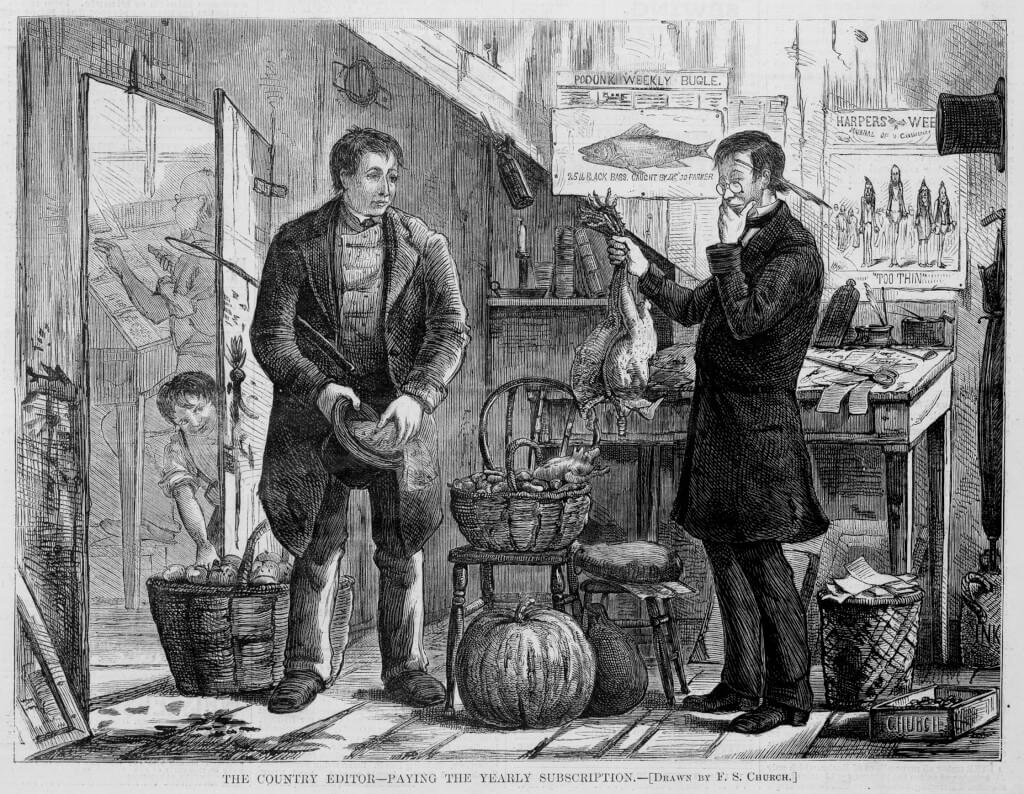
The origin of marketing can be traced back to ancient civilizations. While marketing as a concept has evolved significantly over time, its fundamental principles have been practiced for centuries.
One of the earliest forms of marketing can be seen in ancient marketplaces, where individuals would gather to exchange goods and services. The barter system, where goods were traded directly without the involvement of currency, was the predominant method of exchange in these early marketplaces.
Over time, as societies became more complex and economies grew, marketing practices began to develop further. For example, in ancient Greece, merchants would often promote their products by haggling and using persuasive techniques to attract customers. They would highlight the features and benefits of their goods, engaging in persuasive communication to encourage sales.
The Industrial Revolution in the 18th and 19th centuries marked a significant turning point for marketing. With the advent of mass production and the rise of capitalism, businesses needed to find ways to sell their products to larger audiences. This led to the emergence of advertising, as companies sought to reach and influence consumers through various means, including newspapers, posters, and other print media.
The early 20th century witnessed further advancements in marketing. The development of mass media, such as radio and television, provided new platforms for businesses to promote their products and services to a wider audience. Advertising agencies also began to emerge, specialising in creating persuasive campaigns and messages to effectively reach consumers.
In the latter half of the 20th century, marketing evolved with the advent of computers and the internet. The digital age brought new tools and techniques for businesses to understand consumer behaviour and target specific audiences. The rise of e-commerce allowed companies to reach customers directly, bypassing traditional retail channels.
Today, marketing encompasses a wide range of practices, including market research, branding, advertising, public relations, social media marketing, content marketing, and more. It has become an essential function for businesses of all sizes, helping them understand customer needs, create products and services that meet those needs, and communicate their value effectively to the target market.
Ancient Egyptian Advertising
In ancient Egypt, as early as 2000 BCE, merchants and traders used various forms of advertising to promote their products. They would create papyrus posters and place them in prominent locations to attract the attention of potential buyers. These posters contained detailed descriptions of the products, their benefits, and even testimonials from satisfied customers.
Pompeii Graffiti
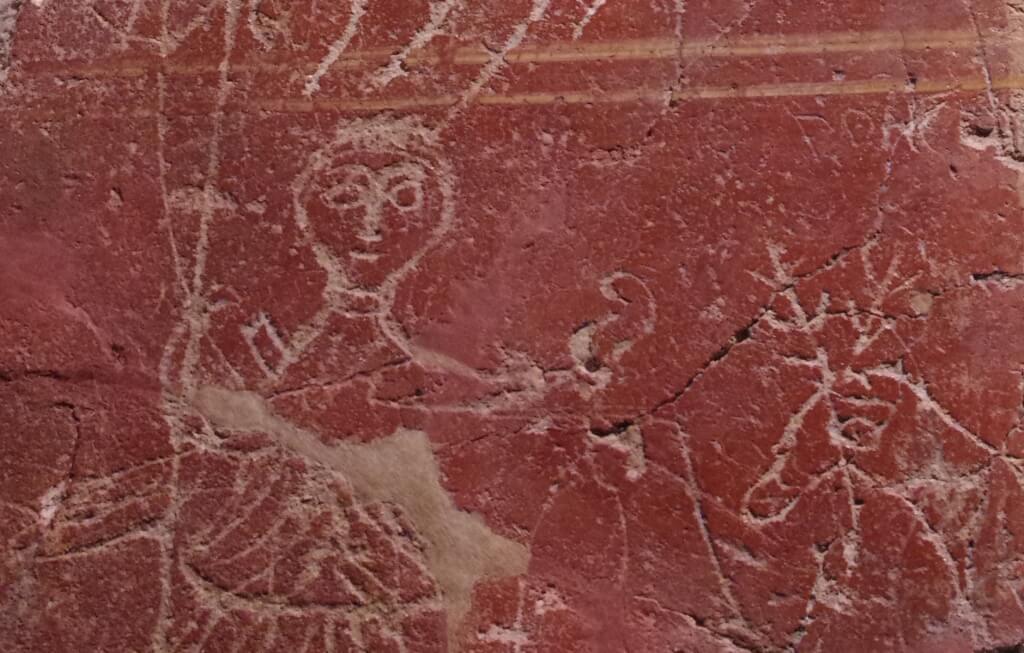
In the city of Pompeii, which was buried by the eruption of Mount Vesuvius in 79 CE, archaeologists discovered examples of advertising graffiti on the walls of buildings. Merchants would inscribe messages on the walls to inform people about their products or services. These messages often included prices, offers, and contact information.
Medieval Market Towns
During the Middle Ages, market towns became important centres of commerce. Traders and artisans would gather in these towns to sell their goods. To attract customers, they used visual cues such as colourful signs, flags, and banners to make their stalls stand out. They also engaged in lively demonstrations and employed persuasive language to draw attention to their products.
Trade Fairs
Trade fairs have a long history and were prevalent in many civilizations. These events brought together merchants from different regions to showcase and sell their products. They were often accompanied by various forms of entertainment and attracted large crowds. Merchants would use creative displays, demonstrations, and personal interactions to engage potential customers and secure sales.
Street Criers
In medieval Europe, street criers were individuals who walked through the streets announcing the availability of products or services. They used their voices to capture attention and relay information about goods, prices, and locations. Street criers were particularly common in crowded urban areas where it was challenging to reach a large number of people through other means.
These examples demonstrate that even in ancient times, individuals and businesses employed various marketing techniques to promote their offerings and attract customers. While the methods may have been different from today’s sophisticated marketing practices, the underlying objective of understanding consumer needs, creating awareness, and driving sales remains consistent throughout history.



Leave a Reply