As a marketing professional with years of experience under my belt, I’ve learned that one of the most valuable tools in our arsenal is a well-planned communications calendar. It’s not just about jotting down a few key dates and calling it a day; a truly effective calendar is a strategic roadmap that aligns your PR efforts with your organisation’s goals and keeps you ahead of the curve. In this post, I’ll share my insights on how to create a communications calendar that will supercharge your PR efforts in 2024 and beyond.
The Power of Planning Ahead
When I first started in marketing and PR, I often found myself scrambling to react to events and opportunities as they arose. It was a stressful way to work, and I quickly realised that I was missing out on some golden opportunities simply because I hadn’t planned for them. That’s when I discovered the transformative power of a well-structured communications calendar.
A strategic communications calendar isn’t just a schedule – it’s a living, breathing document that helps you anticipate opportunities, manage resources, and stay aligned with your organisation’s broader objectives. By planning ahead, you can ensure that your PR efforts are proactive rather than reactive, allowing you to shape the narrative rather than simply responding to it.
How Far Ahead Should You Plan?
One of the most common questions I get asked is how far in advance to plan a communications calendar. In my experience, the sweet spot is usually 12 months. This gives you enough time to align with annual business objectives and major industry events, while still allowing for flexibility as the year unfolds.
Of course, the world of PR is nothing if not unpredictable, so it’s important to build in some flexibility. I usually recommend reviewing and adjusting your calendar quarterly to ensure it remains relevant and responsive to changing circumstances.
The Format: Finding What Works for You
There’s no one-size-fits-all approach to formatting a communications calendar. What matters most is that it’s clear, accessible, and easy to update. I’m a fan of digital tools like Trello or Asana, which allow for easy collaboration and real-time updates. However, I’ve also seen teams achieve great results with a simple shared spreadsheet.
Whatever format you choose, make sure it includes key elements such as:
- Important dates and events
- Planned content and campaigns
- Key messages and themes
- Responsible team members
- Deadlines and milestones
The Benefits of a Strategic Communications Calendar
Now, you might be thinking, “Kevin, this all sounds like a lot of work. Is it really worth the effort?” Trust me, the benefits far outweigh the initial investment of time. Here are just a few reasons why a strategic communications calendar is worth its weight in gold:
Alignment with Organisational Goals
A well-planned calendar ensures that your PR efforts are directly supporting your organisation’s broader objectives. It’s not just about getting press coverage – it’s about getting the right coverage at the right time to drive your business forward.
Improved Resource Management
By planning, you can better allocate your resources, whether that’s budget, staff time, or external partnerships. This helps prevent last-minute scrambles and ensures you’re making the most of what you have.
Consistency in Messaging
A calendar helps you maintain a consistent narrative across all your communications channels. This is crucial for building brand recognition and trust with your audience.
Proactive Crisis Management
While you can’t predict every crisis, a good calendar will help you identify potential issues on the horizon and prepare accordingly. This can be invaluable when it comes to managing your organisation’s reputation.
Better Measurement and Evaluation
With a clear plan in place, it’s much easier to measure the success of your PR efforts and make data-driven decisions about future strategies.
The Strategic Plan vs. The Chairman’s Weekend Brainwave
Now, let’s address the elephant in the room – the dreaded “chairman’s idea”. We’ve all been there. The chairman comes in on Monday morning, brimming with excitement about a PR idea they had over the weekend. Maybe it was inspired by a conversation with their partner, or perhaps it came to them during a round of golf. Either way, they’re convinced it’s the next big thing.
While it’s important to be open to new ideas, it’s equally important to ensure that your PR efforts are guided by a strategic plan rather than ad hoc suggestions. This is where your communications calendar proves its worth.
When faced with a sudden “brilliant idea” from above, you can refer back to your calendar and show how the proposed activity fits (or doesn’t fit) with your overall strategy. This allows you to have a constructive conversation about the merits of the idea and how it might be incorporated into your existing plans, rather than simply saying “no” (which, let’s face it, is rarely a good career move).
Budgeting for the Unexpected
While planning is crucial, it’s equally important to leave room for unexpected opportunities. In my experience, a good rule of thumb is to keep about 20% of your PR budget in reserve for tactical opportunities that arise throughout the year.
This might seem like a lot, but trust me, it’s worth it. Some of the most successful PR campaigns I’ve been involved with were born out of unexpected events or opportunities that we were able to capitalise on because we had the resources available.
Learning from the Best (and Worst)
To drive home the importance of strategic planning in PR, let’s look at some real-world examples of campaigns that got it right – and those that missed the mark.
The Good: Greggs’ Vegan Sausage Roll Launch
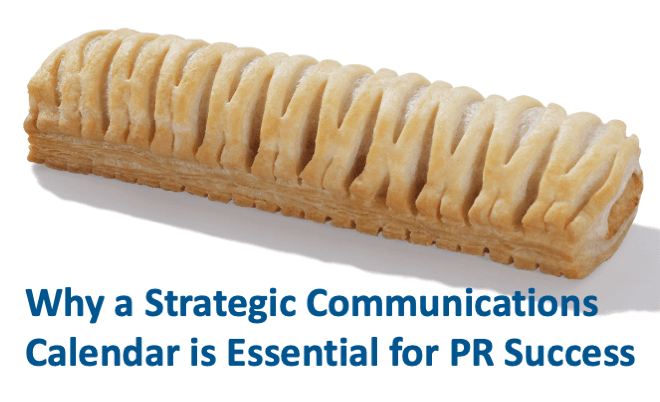
One of my favourite examples of a well-executed PR campaign is the launch of Greggs’ vegan sausage roll in 2019. This wasn’t just a product launch – it was a masterclass in strategic PR planning.
Greggs timed the launch to coincide with “Veganuary”, capitalising on the growing trend of plant-based diets. They created a buzz with a clever social media campaign, including a video that parodied Apple product launches. The result? Massive media coverage, a 9.6% boost in sales, and a 58% increase in profits for the first half of the year.
What made this campaign so successful was its careful planning and perfect timing. Greggs anticipated a trend, aligned their product launch with a relevant event, and created a campaign that was both attention-grabbing and on-brand.
The Bad: London Dungeon’s Valentine’s Day Disaster
On the flip side, let’s look at the London Dungeon’s ill-fated Valentine’s Day campaign in 2017. The tourist attraction posted a series of memes on social media containing jokes that were widely criticised as misogynistic and insensitive. One particularly tasteless meme read: “What’s the difference between your job and a dead prostitute? Your job still sucks!”
The backlash was swift and severe, forcing the London Dungeon to quickly delete the posts and issue an apology. This PR disaster could have been avoided with better planning and a more thoughtful approach to content creation.
The lesson here? A communications calendar isn’t just about timing – it’s also about ensuring that your content aligns with your brand values and is appropriate for your audience. A well-planned calendar should include content review processes to catch potentially problematic material before it goes live.
Putting It All Together
Creating a strategic communications calendar might seem like a daunting task, but it will pay dividends in the long run. Here’s a quick rundown of the steps I follow when creating a calendar for a business:
- Start with your organisation’s goals for the year. What are you trying to achieve?
- Identify key dates and events that are relevant to your industry and audience.
- Plan your major campaigns and initiatives, aligning them with your goals and key dates.
- Break down your campaigns into specific tactics and content pieces.
- Assign responsibilities and set deadlines.
- Build regular review periods to assess progress and make adjustments as needed.
- Don’t forget to leave room for flexibility and unexpected opportunities!
Remember, your communications calendar is a tool to help you work smarter, not harder. It should make your job easier, not add unnecessary complexity.
The Last Word
In the fast-paced world of PR, it’s easy to get caught up in the day-to-day hustle and forget the importance of strategic planning. But trust me, taking the time to create a comprehensive communications calendar is one of the best investments you can make in your PR efforts.
A well-planned calendar doesn’t just keep you organised – it helps you stay ahead of the curve, align your efforts with your organisation’s goals, and make the most of every opportunity that comes your way. And when the chairman comes in with their latest weekend brainwave, you’ll be well-equipped to steer the conversation in a productive direction.
So, as you look ahead to 2024 and 2025, I encourage you to make strategic planning a priority. Your future self (and your stress levels) will thank you for it. Here’s to a year of successful, impactful PR campaigns!
References and Further Reading
[1] https://presscloud.ai/en/pr-academy/how-to-create-a-pr-calendar
[2] https://www.agilitypr.com/pr-news/public-relations/5-steps-for-creating-a-pr-calendar-to-streamline-your-strategies/
[3] https://www.touchdownpr.com/2024-pr-budget-breakdown-tips/
[4] https://planable.io/blog/pr-calendar/
[5] https://www.brafton.co.uk/blog/strategy/communications-calendar/
[6] https://planable.io/blog/communications-calendar/
[7] https://www.cision.com/resources/articles/key-considerations-pr-budget-how-to-get-what-you-need/
[8] https://www.impressiondigital.com/blog/9-meaningful-digital-pr-campaigns/
[9] https://www.dontpaniclondon.com/pr-stunts-gone-wrong/
[10] https://www.rebootonline.com/blog/digital-pr-examples/
[11] https://prsuperstar.co.uk/worst-pr-campaigns/
[12] https://pracademy.co.uk/insights/public-relations-as-strategic-management/
[13] https://stories.rostrum.agency/a-short-guide-to-b2b-marketing-and-communications/index.html



Leave a Reply