
The debate about location versus costs in the marketing industry continues to rage, particularly as commercial rents soar across the UK and talent pools become increasingly competitive. After spending the last decade building my consultancy, I’ve watched countless agency owners grapple with this fundamental question: is it genuinely more economical to operate outside London and the M25, or do the perceived benefits quickly evaporate when you factor in the hidden costs?
The answer, as with most business decisions, isn’t straightforward. But having worked with agencies across Manchester, Birmingham, Bristol, and London, I can share some hard-won insights that might help you make the right decision for your business.
The Rent Reality Check
Let’s start with the most obvious factor that drives many agencies to consider regional locations: commercial property costs. The numbers here are genuinely stark and impossible to ignore.
Current market rates paint a compelling picture for regional operations[1]. In London’s core areas, you’re looking at between £70-£160 per square foot annually, with prime West End locations now hitting £160 per square foot[1]. Compare this to Manchester at £35-£45.50 per square foot, Birmingham at £30-£45.50, and Bristol at £40-£50[1]. These aren’t marginal differences – we’re talking about savings of 60-70% on your largest fixed cost after salaries.
For a typical 2,000 square foot agency space, this translates to annual savings of £140,000-£230,000 when moving from central London to Manchester or Birmingham[1]. That’s significant money that could fund two additional senior staff members or substantially boost your technology and marketing budgets.
The rent trajectory is equally concerning for London-based operations[1]. Prime headline rents have surged 3% year-on-year in the West End, with Grade A space vacancy rates dropping to just 0.3% in some areas[1]. Meanwhile, regional cities are seeing more measured growth, offering better stability for long-term planning.
Yet the property story isn’t quite as simple as these headline figures suggest. Grade A space in regional cities is becoming increasingly competitive, with cities like Cambridge commanding £62.50 per square foot[1] – not dramatically different from London’s fringe areas at £35-£70[1]. The best space in the best regional locations isn’t the bargain it once was.
Talent Wars: The Great Regional Shift
The talent landscape has undergone a seismic shift since the pandemic, fundamentally altering the economics of regional agency operations. The data reveals a fascinating paradox: while 78% of UK professionals still work in urban centres, the cost of living pressures are forcing a genuine reconsideration of location choices[2].
Salary expectations have evolved significantly across regions[3][4][5]. Marketing manager salaries in London average £54,446, compared to £44,739 in Birmingham and £38,697 in Manchester[5]. For B2B marketing roles specifically, the median UK salary excluding London is £32,000, compared to £57,500 in the capital[4]. That’s a potential saving of £25,500 per marketing professional, which adds up quickly across a team.
However, the talent pool dynamics are more complex than simple salary arbitrage. Manchester has positioned itself as a genuine tech and digital hub, with digital job vacancies increasing by 35% in 2023 alone[2]. The city’s university ecosystem produces substantial graduate talent, and importantly, Manchester demonstrates higher graduate retention rates than other provincial cities, though still substantially lower than London[6].
The emergence of hybrid working has been a game-changer for regional agencies[7][8]. With 64.6% of marketing businesses now operating hybrid models[9], and just over half of marketers working only 2-3 days in the office[8], the traditional location advantages of London have diminished. Talented professionals can now live in Manchester or Birmingham while occasionally travelling to London for client meetings, fundamentally altering the value proposition.
Regional cities are actively competing for talent with London[10]. Manchester in particular has benefited from what’s being called “near shoring” – businesses choosing places like Manchester, Bristol and Leeds for their business support operations away from London[10]. Quality of life statistics show Manchester achieving similar scores to London on key metrics[10], making it an increasingly attractive proposition for professionals seeking work-life balance.
The Travel and Client Visit Equation
Business travel costs represent a significant hidden expense that varies dramatically depending on your agency’s location and client base. UK businesses collectively spent an estimated £25.7 billion on business travel in 2022, with projections suggesting this could jump to £46.8 billion[11]. London is ranked the 7th most expensive city globally for business travel[11], which impacts both your costs and your clients’ willingness to visit.
The HMRC mileage rates for 2024/25 provide a useful benchmark for travel costs[12][13]. At 45p per mile for the first 10,000 miles and 25p thereafter for cars and vans[12], a Manchester-based agency making regular trips to London faces costs of around £115 each way for the 255-mile journey. Factor in train travel, which can range from £50-£200+ depending on timing and advance booking, and the costs accumulate rapidly.
However, the travel equation has been fundamentally altered by remote working trends[14][15]. Research shows that 85% of people believe they can build stronger relationships with in-person meetings, yet 48% feel in-person discussions allow for more complex strategic thinking[11]. This suggests travel remains important, but the frequency has shifted.
The emergence of hybrid meetings has created new efficiencies[15]. Companies are now investing in hybrid-friendly meeting spaces and technology that allow seamless participation from multiple locations[15]. This means a Birmingham-based agency can have team members dial into a London client meeting, reducing travel costs while maintaining engagement levels.
Interestingly, some businesses are experiencing increased travel expenses despite fewer overall trips, as remote teams are more geographically dispersed[15]. For regional agencies, this often means longer distances when travel is necessary, but the overall frequency is substantially reduced.
Business Image: The London Premium Question

The perception challenge for regional agencies has evolved significantly over the past five years. Traditionally, London commanded a premium for business image and credibility, particularly in sectors like finance and professional services. However, the pandemic and subsequent shift to digital-first interactions have fundamentally altered client expectations and prejudices.
Research into agency pricing reveals interesting patterns[16]. London agencies typically charge around 42% higher than comparable agencies outside London for identical services[16]. In some cases, London-based agencies were quoting 100% more than equivalent Manchester or Leeds-based agencies for the same scope of work[17]. This suggests either London agencies can command a premium, or they’re pricing themselves out of cost-conscious markets.
The rise of digital-first client relationships has reduced the importance of prestigious London addresses. When most initial meetings happen via video conference, and client work is delivered digitally, the office postcode becomes less relevant to service delivery. Clients are increasingly focused on outcomes rather than postcodes, particularly in the B2B space where ROI measurement is paramount.
However, certain sectors still demonstrate strong London bias[18]. The finance sector, in particular, continues to show preference for London-based services, with 65% of technology vacancies and 80% of AI skills demand concentrated in the capital[18]. For agencies targeting these sectors, regional location may still present challenges.
The key shift has been towards transparency and authenticity in client relationships. Rather than trying to masquerade as a London operation, successful regional agencies are leveraging their location as a competitive advantage – highlighting cost efficiency, local market knowledge, and the ability to provide London-quality service at regional pricing.
The Hidden Costs That Bite
Operating outside London introduces several less obvious costs that can erode the apparent savings from lower rents and salaries. Technology infrastructure becomes more critical when you’re not co-located with clients and industry networks. Investment in high-quality video conferencing, collaboration tools, and digital project management becomes essential rather than optional.
Talent acquisition costs can actually increase for regional agencies seeking senior professionals[19]. While junior and mid-level talent may be more affordable regionally, attracting senior strategic talent often requires competitive packages that match or exceed London rates. The market for senior marketing professionals is increasingly national rather than regional, meaning you’re competing with London agencies for the same individuals.
Professional development and industry engagement require more investment when based regionally. Attending industry conferences, training sessions, and networking events often involves travel to London, adding costs and time. The informal knowledge transfer that happens naturally in London’s concentrated agency scene requires more deliberate investment when based elsewhere.
Client acquisition costs may also differ. While digital marketing has reduced geographical barriers, certain types of B2B clients still expect regular face-to-face interaction, particularly during the sales process and relationship building phases. Regional agencies often need to invest more heavily in sales travel and relationship management.
Regional Talent Pools: Quality and Availability
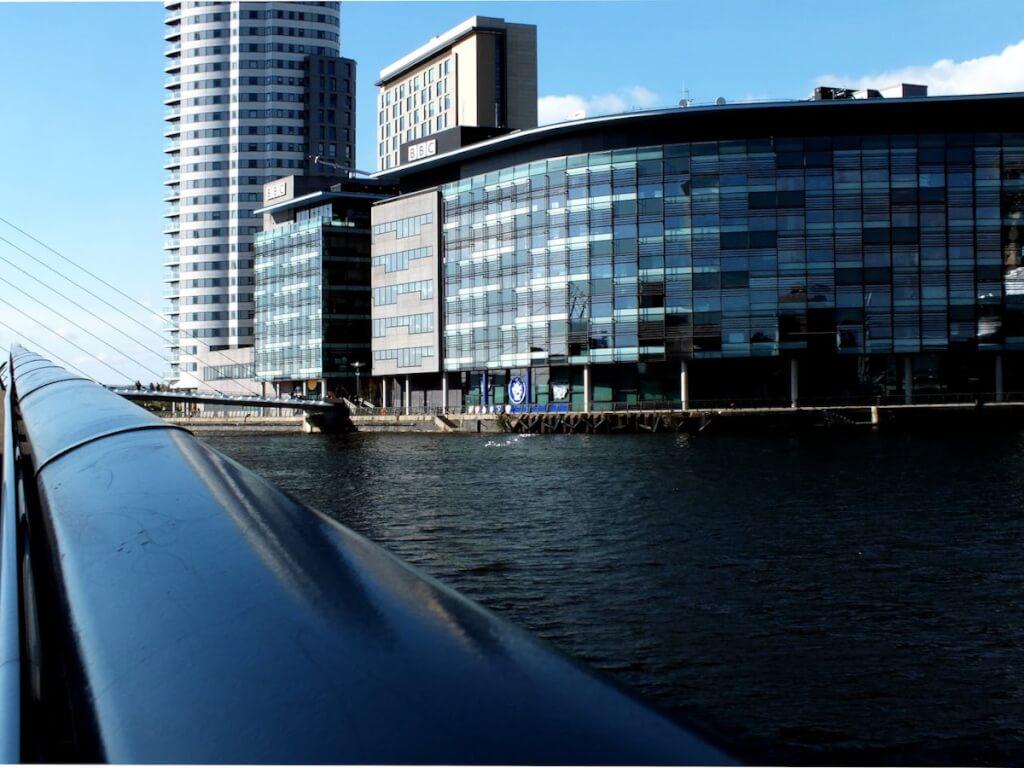
The quality of regional talent pools has improved dramatically over the past decade[2][10]. Manchester, Birmingham, and Bristol all host substantial university ecosystems producing marketing and digital graduates. Manchester’s reputation as a tech hub means it attracts talent who might previously have migrated directly to London[2].
The graduate retention picture is complex but encouraging for regional agencies[6]. While London still attracts substantial numbers of high-skilled graduates, Manchester compares favourably with other provincial cities in retaining workers in high-status occupations and 25-44 year-olds[6]. The city particularly excels at attracting young migrants early in their careers[6].
Skills gaps do exist in certain specialist areas[6]. While regional cities generally satisfy their skill requirements without major difficulty, specific technical skills or sector expertise may still require national recruitment. This is where hybrid working arrangements become particularly valuable, allowing agencies to access talent regardless of location.
The salary expectations in regional markets are generally more realistic[20][3]. While London professionals often expect 10-20% salary increases when moving roles[20], regional expectations tend to be more modest, allowing for more sustainable team building.
Technology and Infrastructure Considerations
The technology requirements for regional agencies have intensified significantly[21]. Remote and hybrid working models demand investment in collaboration platforms, project management systems, and communication tools that may have been optional for London-based agencies with more in-person interaction.
However, this technology investment brings unexpected benefits. Regional agencies often become more efficient at digital collaboration than their London counterparts, developing stronger processes for remote client management and team coordination. This efficiency can become a competitive advantage when pitching to clients who value streamlined, digital-first approaches.
The quality of digital infrastructure in regional cities has improved substantially. Manchester, Birmingham, and Bristol all offer high-speed internet and technology parks that rival London facilities. The cost of this infrastructure is typically 30-50% lower than equivalent London facilities[1].
Making the Numbers Work: A Practical Framework
Based on the data and my experience working with agencies across different locations, here’s how to evaluate the true economics of regional versus London operations:
Start with your client base analysis. If more than 60% of your revenue comes from London-based clients requiring regular face-to-face interaction, the travel costs may erode regional savings. However, if your clients are geographically distributed or comfortable with digital-first relationships, regional operations become highly attractive.
Factor in your team’s career stage and aspirations. Junior and mid-level professionals often prefer regional locations for quality of life and housing affordability[2]. Senior professionals may require London-level compensation regardless of location, reducing salary savings.
Consider your sector specialisation. Financial services, legal, and some technology sectors still demonstrate strong London bias[18]. Healthcare, manufacturing, and consumer goods sectors are more location-agnostic. B2B services targeting SMEs often work better from regional locations due to cost sensitivity.
Calculate the true cost differential. Take your current London rent (£70-160 per sq ft)[1] and compare it to regional alternatives (£30-50 per sq ft)[1]. Add salary savings of £15,000-25,000 per employee[4][5]. Subtract additional travel costs, technology investment, and any premium required to attract senior talent. The net saving is your true economic benefit.
Don’t underestimate the time investment. Regional operations require more deliberate relationship building and business development. Factor in 10-15% additional time for travel and relationship management when calculating true economics.
The Hybrid Model: Best of Both Worlds?
Many successful agencies are adopting hybrid location strategies[22][23]. Maintaining a small London presence – perhaps a meeting room membership or part-time office – while basing the main team regionally. This approach captures cost savings while maintaining client accessibility and industry presence.
Co-working spaces and serviced offices have made this approach increasingly viable. London co-working spaces offer professional meeting facilities at a fraction of traditional office costs, while regional headquarters provide cost-effective space for daily operations.
The technology exists to make this work seamlessly. High-quality video conferencing, collaborative project management, and digital client reporting mean location becomes less relevant to service delivery quality.
Regional Cities: The Competitive Landscape
Manchester stands out as the most compelling alternative to London for B2B marketing agencies[10][6]. The city offers the largest talent pool outside London, reasonable property costs, and strong transport links. Manchester is ranked as the UK’s number 1 digital and tech city by some measures[17], providing industry credibility.
Birmingham offers excellent value and central location advantages. Property costs are among the lowest for major cities[1], and the central England location provides good access to clients across the Midlands and North. However, the talent pool is smaller than Manchester’s.
Bristol commands a premium among regional cities but offers proximity to London and strong graduate talent from local universities[1]. The city has developed a reputation for creative and digital agencies, providing sector credibility. However, costs are approaching London levels in some areas.
Leeds offers excellent value and a growing business services sector[1]. The city has benefited from corporate relocations and offers good quality of life. However, it’s less established as a marketing and digital hub compared to Manchester or Bristol.
Future-Proofing Your Location Decision
The trends strongly favour regional operations for most B2B marketing agencies. Hybrid working is becoming permanent rather than temporary[7][9], reducing the importance of London presence for many clients. Commercial property costs in London continue to rise faster than regional alternatives[1], making the cost differential increasingly compelling.
However, certain factors could shift this balance. A significant economic downturn might increase competition for regional talent, eroding salary advantages. Changes to tax policy around travel expenses could affect the economics of client visits. Shifts in client preferences towards more in-person interaction could favour London locations.
The safest approach is building flexibility into your location strategy. Lease terms that allow expansion or contraction, hybrid working policies that can adapt to changing client needs, and technology investments that support multiple operating models provide the best foundation for long-term success.
The Verdict: Context Is Everything
After analysing the comprehensive data on costs, talent, client relationships, and market trends, the answer to whether regional operations are more economical depends entirely on your specific circumstances.
For agencies primarily serving SME clients, offering standardised services, or operating in cost-sensitive sectors, regional operations offer compelling economics. The rent savings alone can fund additional team members or technology investment that drives competitive advantage.
For agencies serving large corporates, requiring frequent face-to-face interaction, or operating in premium sectors like financial services, London may still justify its premium. The client access, industry presence, and talent pool may outweigh the cost disadvantages.
The hybrid model represents the most interesting opportunity for many agencies. Maintaining core operations regionally while retaining London access provides cost efficiency without sacrificing client relationships or market presence.
The key is honest assessment of your client needs, team aspirations, and growth objectives. Regional operations work best when they’re a deliberate strategic choice rather than simply a cost-cutting exercise. Done properly, they can provide genuine competitive advantage. Done poorly, they risk marginalising your business from key markets and talent.
The economics have shifted substantially in favour of regional operations over the past five years. With commercial rents in London continuing to rise, talent becoming more geographically flexible, and clients increasingly comfortable with digital-first relationships, the traditional advantages of London location are being eroded. For most B2B marketing agencies, the question isn’t whether regional operations can work – it’s whether you can afford not to consider them.
The agencies thriving outside London share common characteristics: they’ve invested properly in technology and processes, they’ve been deliberate about client selection and service delivery, and they’ve leveraged their location as a competitive advantage rather than seeing it as a compromise. Regional operations require different skills and approaches than London-based agencies, but for those willing to adapt, the economic advantages are substantial and sustainable.
References and Further Reading
[1] The Cost of UK Office Space in 2025 – London – Oktra https://www.oktra.co.uk/insights/the-cost-of-uk-office-space/
[2] Why Top Talent Stays in Cities – And How to Change That – Zeelo https://zeelo.co/blog/why-top-talent-stays-in-cities-and-how-to-change-that
[3] Marketing Manager Salaries (UK) And What Influences These https://www.intelligentpeople.co.uk/marketing-manager-salary-uk/
[4] B2B Marketing Jobs, Co-occurring Skills & Salary Benchmarking https://www.itjobswatch.co.uk/jobs/uk/b2b%20marketing.do
[5] Average Marketing Manager salary in North West https://www.checkasalary.co.uk/salary/marketing-manager-north-west
[6] [PDF] Understanding Labour Markets, Skills and Talent https://www.greatermanchester-ca.gov.uk/media/6672/mier_labourmarket_finalreport.pdf
[7] Hybrid Working in 2025: Evolving Expectations, Office Tensions … https://www.emrrecruitment.co.uk/articles/2025-4/hybrid-working-in-2025
[8] Hybrid Work in Marketing – Brand Recruitment https://brandrecruitment.co.uk/marketing-recruitment-review-hybrid-working-marketing/
[9] ‘An inflection point’: The state of hybrid working four years on from … https://www.marketingweek.com/inflection-point-hybrid-work/
[10] The Growth of Manchester as a Talent Hotspot | Sanderson https://www.sandersonplc.com/the-growth-of-manchester-as-a-talent-hotspot/
[11] The Hidden Costs of Business Travel: How to Plan Your Travel Budget https://www.cmacgroup.com/blog/the-hidden-costs-of-business-travel-how-to-plan-your-travel-budget
[12] HMRC mileage rates 2024 – Driversnote https://www.driversnote.co.uk/blog/hmrc-mileage-rates-2024
[13] UK Business Mileage Rates 2024 | Car & Petrol Allowances https://www.travelperk.com/uk/guides/business-travel-expenses/mileage-allowance/
[14] How Remote Work Is Transforming Business Travel – LinkedIn https://www.linkedin.com/pulse/how-remote-work-transforming-business-travel-micecafe-m5yzc
[15] Opportunities and Challenges: Remote Work’s Impact on Business … https://dibtravel.com/opportunities-and-challenges-remote-works-impact-on-business-travel/
[16] How An SEO Agency in Manchester Compares To London https://www.redcowmedia.co.uk/how-seo-manchester-compares-london/
[17] The digital agency North-South divide | Manchester … – Pixel Kicks https://www.pixelkicks.co.uk/xpress/digital-agency-north-south-divide-choose-manchester-over-london/
[18] London at the epicentre of AI talent boom – Consultancy.uk https://www.consultancy.uk/news/40430/london-at-the-epicentre-of-uk-ai-talent-boom
[19] The Cost of Recruitment – Talent Insight Group https://www.talentinsightgroup.co.uk/insights/cost-of-recruitment
[20] [PDF] HR salary guide UK – Frazer Jones https://www.frazerjones.com/wp-content/uploads/sites/2/2023/11/Frazer-Jones-HR-salary-survey-and-market-report-2023-24-2.pdf
[21] The Pitfalls and Perks of Remote Marketing Agency Management https://agencyanalytics.com/blog/remote-marketing-agency-management
[22] GIANT | Marketing Agency Northampton, Milton Keynes, London https://gogiant.co.uk
[23] Smithfield Agency – Planning for Performance https://smithfieldagency.com



Leave a Reply