

In too many businesses, valuable messages stay locked inside the building. The logic is puzzling. Some lack basic marketing knowledge. Others fear competitors discovering their plans. Yet those who actively communicate with clients, prospects and the marketplace reap significant rewards. When done properly, it can unsettle competitors.
This post focuses on extending your base of brand fans through an often-overlooked channel: your suppliers. The power of engaging suppliers as strategic, valuable partners should never be underestimated. When you bring suppliers closer to your business and share your vision, objectives and plans, you unlock multiple benefits that extend far beyond transactional relationships.
Why Supplier Partnerships Matter More Than You Think

Strong supplier partnerships deliver tangible business value. Research consistently shows that companies collaborating regularly with suppliers demonstrate higher growth, lower operating costs and greater operational efficiency[1]. These relationships transform procurement from a simple transaction into a strategic advantage.
When suppliers truly understand your business, they become more reliable partners who recommend solutions that help you succeed[2]. This deeper understanding creates a foundation for innovation and problem-solving that extends well beyond the initial contract terms. Suppliers who grasp your challenges can proactively suggest improvements, alternative materials or process refinements that you might not have considered[3].
Strategic supplier partnerships also provide crucial resilience during crises[4]. When disruptions occur – whether from supply chain issues, market volatility or unexpected challenges – strong relationships make problem-solving easier and faster. Suppliers who feel valued and connected to your business will prioritise your needs, especially during difficult periods when resources are constrained[5].
Turning Suppliers into Brand Advocates
The real magic happens when suppliers become advocates and message carriers for your brand[6]. Many suppliers work across your sector or in parallel industries. Having them support and promote your business extends your marketing reach exponentially. They become trusted voices who amplify your messages to audiences you might struggle to reach directly[7].
This advocacy delivers authenticity that traditional marketing cannot match[8]. When suppliers speak positively about their experience working with you, their endorsement carries weight. Potential clients and partners take notice when respected industry suppliers choose to work with you and recommend you to others.
Brand advocacy from suppliers also enhances your reputation across the business ecosystem[3]. Suppliers talk amongst themselves, at trade shows, within networks and across companies as people change roles. A reputation for fairness, collaboration and partnership travels quickly – and attracts both new suppliers and potential clients[3].
A Real-World Example: The Sodexo Story
During my time with Sodexo, we merged two marketing teams. The consolidation made strategic sense. We had some supplier duplication across both teams. Rather than simply rationalising the supplier base through traditional procurement methods, we took a different approach.
I invited all the principals of our marketing suppliers to an open session. We shared what we were doing, then explained the why, when and how behind our strategy. The session proved highly informative for everyone involved. Suppliers gained genuine insight into our business direction, priorities and challenges.
We concluded by inviting suppliers to return later and tell us how they could support our growth based on their new knowledge. The response revealed telling patterns. The majority were positive and engaged. About a third started conversations that made our supplier relationships even more effective. Another third didn’t reply and effectively either resigned the business or became recognised as commodity suppliers in purely transactional relationships.
The most significant outcome was that engaged suppliers became genuine supporters of our business. They amplified our messages across their networks. They shared valuable industry news and insights. They became a noticeable part of our brand voice. The cost? Very little, really, beyond the investment of time and transparency[6][7].
The Tangible Benefits of Supplier Partnership
Building strategic supplier relationships delivers measurable advantages that impact your bottom line and competitive position[9].
Innovation and Competitive Edge: Suppliers who understand your business think with you and for you[3]. They spot opportunities from their unique vantage point outside your organisation. When trust flows both ways, suppliers suggest sustainable materials, process improvements or delivery innovations that create genuine competitive advantages[10].
Cost Management: Establishing mutually valuable relationships with key suppliers drives long-term cost savings[11]. These savings come not just from negotiated discounts, but from reduced issues with availability, quality and supply delays[2]. Strong relationships enable more favourable payment terms, bulk discounts and pricing stability that helps you manage cash flow effectively[12].
Operational Efficiency: As relationships develop, communication improves naturally[13]. Suppliers learn your business rhythms, requirements and preferences. This familiarity increases service efficiency and reduces order issues[11]. When problems do arise, strong relationships make resolution simpler and faster[4].
Supply Chain Resilience: A diverse, engaged supplier base provides crucial resilience during disruptions[14]. Having multiple trusted partners reduces dependency risks and provides flexibility when traditional supply routes face challenges. Suppliers who feel valued will prioritise your needs during shortages or market turbulence[5].
How to Transform Supplier Relationships
Moving from transactional interactions to strategic partnerships requires deliberate effort and genuine commitment[15].
Share Your Vision: Transparency builds trust[4]. Share your business objectives, strategic plans and market challenges with key suppliers. Help them understand where you’re heading and how they fit into that journey. This context enables suppliers to align their own planning and resources with your needs[10].
Establish Mutual Goals: Work with suppliers to set shared objectives[15]. These might include reducing waste, improving delivery reliability, developing sustainable solutions or innovating new products. Document these goals clearly and ensure leadership from both organisations supports them. Shared objectives create accountability and demonstrate commitment[10].
Communicate Regularly: Consistent communication keeps relationships strong[4]. Schedule regular check-ins to discuss performance, share updates and address concerns before they escalate. Make suppliers feel valued by seeking their input and feedback. Open dialogue creates an environment where both parties can voice challenges and opportunities[5].
Recognise and Celebrate: Acknowledge supplier contributions publicly[16]. Feature them in your marketing materials when appropriate. Give them credit on social media for achievements and innovations. Recognition strengthens relationships and encourages continued advocacy[6].
Invest in Development: Support suppliers’ growth through mentorship, networking opportunities and capacity-building resources[17]. When you help suppliers succeed, they become more capable partners who can deliver greater value. This investment creates mutual benefits that strengthen long-term partnerships[14].
Making It Practical for UK SMEs
For small and medium-sized enterprises, supplier relationships can provide disproportionate benefits[12]. Resource constraints make efficiency and reliability crucial. Strong supplier partnerships deliver both.
Start by segmenting your suppliers[18]. Identify which relationships offer the greatest strategic value based on spend, criticality and potential for collaboration. Focus your relationship-building efforts on these key partners rather than treating all suppliers identically[19].
Create simple communication mechanisms that don’t require extensive resources[20]. A quarterly supplier newsletter sharing business updates costs little but demonstrates commitment. An annual supplier event – even a virtual one – provides valuable face-to-face engagement that builds personal connections.
Use feedback systematically[4]. Ask suppliers how you can improve the working relationship. Many will offer insights that help you become a better client, which strengthens the partnership and improves your operations simultaneously[5].
Measure what matters[3]. Track supplier retention rates, innovation contributions and advocacy indicators. Simple metrics like supplier Net Promoter Score provide valuable feedback on relationship health and identify areas for improvement.
The Competitive Advantage You’re Missing
Your competitors probably treat suppliers as interchangeable vendors in purely transactional relationships. This creates an opportunity. By building genuine partnerships, you differentiate your business and gain advantages that are difficult to replicate[3].
Engaged suppliers provide early warnings about market changes, material availability and emerging trends[15]. This intelligence helps you make better strategic decisions and respond faster than competitors who lack these insights[9].
Strategic supplier relationships also enhance your ESG credentials[21]. Collaborating with suppliers on sustainability initiatives, supporting diverse suppliers and building equitable supply chains all contribute to social value that resonates with modern clients[17].
When suppliers advocate for your business, they extend your reach into networks you couldn’t access otherwise[7]. Their endorsements carry credibility that your own marketing messages cannot match. This amplification effect multiplies your marketing impact without proportional cost increases[8].
Moving Forward
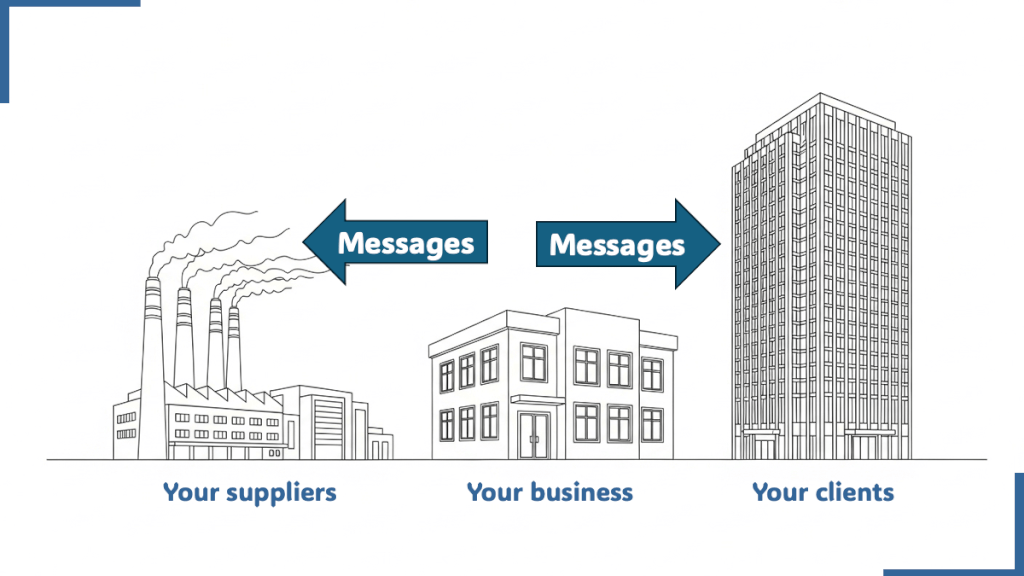
Transforming supplier relationships from transactional to strategic requires cultural change. It means viewing suppliers as partners rather than vendors. It demands transparency, regular communication and genuine commitment to mutual success.
The investment is modest. The potential returns are substantial. Suppliers who understand your business become more reliable, more innovative and more invested in your success. They amplify your messages, enhance your reputation and provide competitive advantages that drive growth.
Start small if needed. Choose one or two strategic suppliers and deepen those relationships first. Share your vision. Seek their input. Recognise their contributions. Build trust through consistent engagement and transparent communication.
As these partnerships strengthen, expand the approach to other key suppliers. Create forums for supplier engagement. Develop communication channels that keep suppliers informed and involved. Measure the impact through innovation contributions, cost savings and advocacy indicators.
Your suppliers represent an untapped marketing asset. They have networks, credibility and relationships you cannot easily access. By bringing them closer to your business and treating them as strategic partners, you transform them into brand advocates who amplify your message and support your growth.
The question isn’t whether you can afford to invest in supplier relationships. The question is whether you can afford not to. In competitive markets where differentiation is challenging and resources are constrained, strategic supplier partnerships provide advantages that directly impact your bottom line and your market position.
Make supplier engagement part of your marketing strategy. The results will extend far beyond procurement efficiencies into genuine competitive advantages that drive sustainable business growth.
References and Further Reading
[1] Unlocking Growth Through Supplier Innovation https://www.concur.co.uk/blog/article/unlocking-growth-through-supplier-innovation
[2] 5 Benefits of Using a Supplier Relationship Management … https://www.sourcedogg.com/insight/5-benefits-of-using-a-supplier-relationship-management-platform/
[3] Is supplier communication the missing link in your … https://se10.com/is-supplier-communication-the-missing-link-in-your-industrial-brand-strategy/
[4] Top Tips for Effective Supplier Communication https://www.controlhub.com/blog/supplier-communication
[5] Why Communication is Key to Supply Chain Success https://www.oxfordcollegeofprocurementandsupply.com/why-communication-is-key-to-supply-chain-success/
[6] How employees, customers, and partners drive brand … https://www.ironbarkmarketing.com/how-employees-customers-and-partners-drive-brand-advocacy/
[7] Igniting Partner Advocacy: A Strategic Imperative For B2B … https://www.forrester.com/blogs/igniting-partner-advocacy-a-strategic-imperative-for-b2b-marketers/
[8] How partnerships deliver brand advocacy in a way … https://impact.com/partnerships/how-partnerships-deliver-brand-advocacy-in-a-way-marketing-cant/
[9] What Is Supplier Relationship Management (SRM)? https://www.kodiakhub.com/blog/what-is-supplier-relationship-management-srm
[10] Supplier Collaboration | Benefits, Importance, and Strategies https://www.kodiakhub.com/blog/supplier-collaboration
[11] The Advantages of A Well Managed Supplier Relationship https://www.oxfordcollegeofprocurementandsupply.com/the-advantages-of-a-well-managed-supplier-relationship/
[12] The Power of Strong Partnerships: Why Building … https://foleysfasterpayments.com/the-power-of-strong-partnerships-why-building-relationships-with-suppliers-partners-is-key-for-sme-success/
[13] The Benefits of Supplier Relationship Management https://www.winman.com/blog/bid/366854/the-benefits-of-supplier-relationship-management
[14] The Growing Role of Supplier Diversity in UK Procurement https://www.procuringgroup.com/knowledge-hub/the-growing-role-of-supplier-diversity-in-uk-procurement-unlocking-innovation-and-driving-social-change
[15] Supplier Partnership Excellence: From Transactional To … https://www.kodiakhub.com/blog/supplier-partnership-excellence
[16] How To Turn B2B Customers Into Product Champions https://www.maxio.com/blog/turning-b2b-customers-into-brand-advocates
[17] How to Build a Successful Supplier Diversity Programme in … https://outbritain.co.uk/how-to-build-a-successful-supplier-diversity-programme-in-the-uk-a-comprehensive-guide/
[18] Case study: optimising partnerships with supplier … https://www.worldcc.com/Resources/Blogs-and-Journals/Contracting-Excellence-Journal/View/ArticleId/11601/Case-study-optimising-partnerships-with-supplier-relationship-management
[19] 4 Benefits of Investing in Supplier Relationship … https://veridion.com/blog-posts/supplier-relationship-management-benefits/
[20] B2B Channel Marketing Strategies to Boost Partner Sales https://www.incentivesmart.com/blog/b2b-channel-marketing-strategies/
[21] Strategic Sourcing: 7 Examples of Companies That Nailed It https://veridion.com/blog-posts/strategic-sourcing-examples/



Leave a Reply