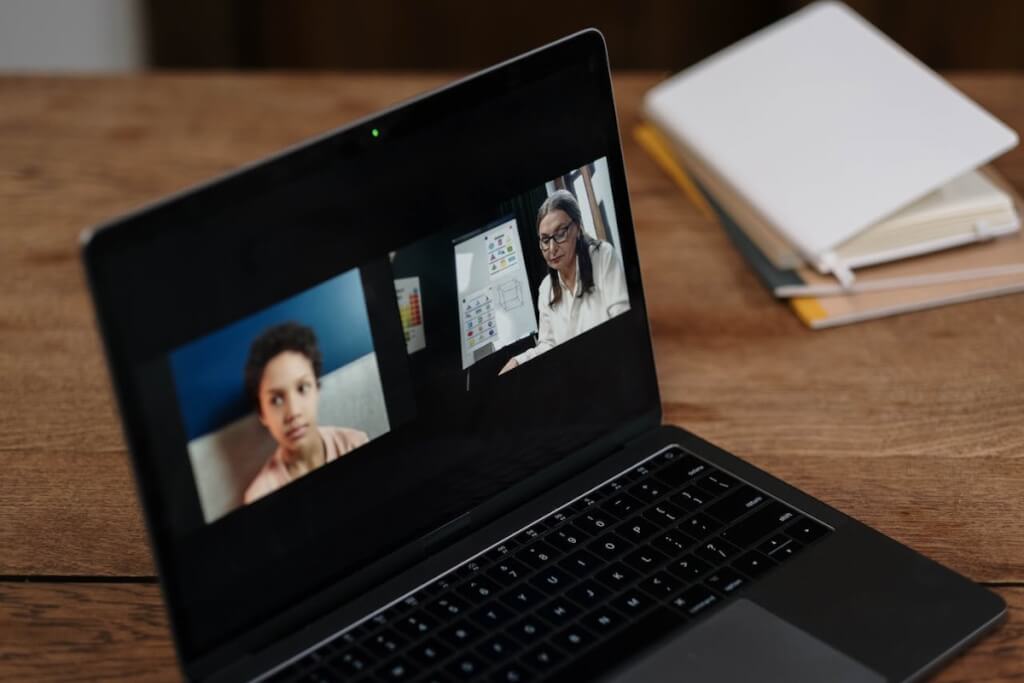
I’ve been watching the webinar landscape evolve over the past five years. It’s time we took stock of where we are now. When COVID-19 forced us all indoors in March 2020, webinars became our lifeline. That frantic pivot changed everything about how we use this marketing vehicle. The changes are still rippling through B2B marketing today.
Has Webinar Usage Peaked?
The short answer is no. Webinar usage hasn’t peaked. It’s actually grown steadily since the pandemic surge. But the nature of that growth tells an interesting story.
Between 2019 and 2020, webinar use jumped from 46% to 62%[1] as lockdowns took hold. Zoom alone saw webinar minutes increase by more than 1,400% in 2020[2]. The time grew from 3 billion minutes in Q4 2020 to 45 billion minutes by Q3 2021. The webinar market, valued at $1.57 billion in 2020, will nearly triple to $4.44 billion by 2025[3][4].
Rather than peaking and declining, webinar usage has matured. Companies now host 22 webinars per year in 2024[5], up 69% from just 13 webinars annually before. That’s almost two webinars every month. Attendance rates have settled at 48-57%[6] conversion from sign-ups to actual attendees. The average engagement time sits at 51 minutes[7] per session.
What’s changed isn’t the quantity. It’s the quality and how we use webinars.
The Evolution of Webinars as a B2B Marketing Vehicle
Webinars have changed from emergency fixes to strategic tools. The data backing this up is strong. Today, 73% of B2B marketers rank webinars as their top source for high-quality leads[8]. Meanwhile, 89% of businesses use webinars as a marketing tool[9].
The format itself has evolved a lot. During the pandemic, we saw a flood of rushed webinars. Everyone was doing them. Many were poor quality. The market became crowded. By 2024, 25% of organisations run 50 or more webinars each year[10]. Attendance rates dipped below 30% for many[10]. Audiences grew tired of low-quality sessions.
This fatigue forced a change. The webinars that survived weren’t those with big budgets. They were the ones delivering real value. Features like polls, Q&A sessions, and live chat became essential. Webinars with polls and chat see 22% higher engagement[9] than passive presentations.
The role of on-demand content has also shifted. Nearly 80% of webinars are now uploaded for on-demand viewing[11] after the live event. Flexibility matters as much as the live experience. In 2024, 45% of attendees chose to watch on-demand[7] rather than live. This isn’t hurting live attendance. It’s expanding reach.
Perhaps most telling, webinars have moved from standalone events to content engines. AI-generated content repurposing increased by 2,903% in 2024[11]. Marketers finally see that one webinar can fuel blog posts, social posts, emails, and sales materials for weeks.
From Rough and Ready to Professional Standards

I remember the early lockdown webinars. We broadcast from kitchen tables with wonky laptop cameras. Dogs barked in the background. Audiences forgave the rough edges. Everyone was in the same boat. We were just grateful for human connection.
That grace period is over.
Today’s audiences expect webinars to look and sound good. The rough aesthetic that was fine in 2020 now signals poor quality. Production values show credibility. If you can’t invest in basic quality, why should I invest my time?
The baseline now includes HD video quality (720p minimum)[12]. Clear audio free from echo and background noise. Proper lighting that ensures presenters are clearly visible[13]. Three-point lighting setups were once only for studios[14][15]. Now they’re standard for regular hosts. Ring lights and LED panels are as common as staplers.
Audio quality matters even more than video[16]. People can forgive average video quality. But poor audio is a deal-breaker. External microphones like the Blue Yeti or Rode NT-USB are now essential equipment[17]. Background noise removal software has become standard[17].
The shift goes beyond kit. Professional presenters now follow protocols that seemed fussy in 2020[18]. This includes testing all equipment well before going live. Using wired ethernet instead of WiFi for stability. Positioning cameras at eye level. Removing visual mess from backgrounds.
This upgrade hasn’t required huge budgets. A decent webinar setup can be had for a few hundred pounds[19]. What’s changed is the expectation that you’ve bothered.
The platforms themselves have raised the bar too. Features that seemed special in 2020 are now basic. Breakout rooms, live polling, audience reactions, virtual backgrounds. These are standard now. Webinar platforms compete on AI features like automated transcription and real-time translation[20].
The Future Evolution of Webinars
Looking ahead, webinars will evolve in several clear directions.
Artificial Intelligence Will Reshape Everything
AI is already changing webinars. AI chatbots provide real-time support during sessions[20]. They answer common questions. This frees hosts to focus on complex interactions. AI engines customise content based on how each person engages[20]. The technology behind that 2,903% jump in content repurposing is still young. Imagine webinars that auto-generate follow-up materials tailored to each attendee.
Virtual and Augmented Reality Will Add Depth
VR and AR will create more immersive experiences[20]. Full VR webinars remain niche. But hybrid approaches mixing traditional webinars with AR elements are growing[21]. Imagine product demos where attendees manipulate 3D models in real-time. Or training where people practice in virtual spaces. These technologies will make webinars feel less like watching TV and more like experiencing events.
Hybrid Models Will Become the Default
The hybrid model will become standard rather than special[22]. This isn’t about replacing face-to-face events. It’s about extending their reach[22]. A conference might have 200 people in a London hotel and 2,000 joining virtually worldwide. Both groups engage with the same content and each other. This approach maximises access whilst keeping the networking benefits of being there.
Interactivity Will Deepen
We’re moving from passive watching to active participation. Future webinars might include gamification[22]. Leaderboards, challenges, rewards. These transform learning into competition[22]. Breakout rooms will become more sophisticated[23]. Sub-groups will work on projects in real-time before rejoining the main group.
Personalisation Will Extend to Everything
Rather than one webinar for everyone, we’ll see content that adapts to viewers[21]. If you engage heavily with certain topics, the presentation might dive deeper. If you’re clearly a beginner, advanced bits might be simplified. This isn’t science fiction. The technology exists today. It will just become more accessible.
Quality Over Quantity
The current oversaturation isn’t sustainable. Many organisations run 50+ webinars yearly[10]. I expect successful ones will host fewer but make each exceptional. Better to deliver quarterly events people actually attend and remember. Monthly sessions just blur into noise[10].
Accessibility Will Become Essential
Real-time transcription will shift from premium to basic[18]. Sign language interpretation, multiple languages, mobile-optimised experiences. This isn’t just about compliance. It’s about reaching the widest audience.
Formats Will Blur
The line between webinars and other content formats will blur[23]. We already see simulive presentations. Podcast-style webinars. Webinar content repackaged into courses. The future won’t have rigid categories. It’ll have content experiences that flex based on what people prefer.
Making Webinars Work Now
If you’re using webinars in your B2B marketing, here’s what matters now. First, production quality is no longer optional. Invest in decent kit and learn to use it. Second, value trumps everything. No amount of polish can save content that wastes time. Third, interactivity is essential[9][22]. If people wanted to watch passively, they’d stick to YouTube. Fourth, think beyond the live event. Plan your content repurposing before you even record[11].
The webinar hasn’t peaked. It’s matured and embedded itself permanently into how B2B organisations connect. Those who adapt to these evolving expectations will find webinars remain highly effective[24][25]. Those who cling to rough pandemic habits will find their audiences moving on[10].
The future of webinars isn’t about technology alone. It’s about using technology to create valuable human connections at scale. That’s always been the point. That fundamental purpose won’t change even as everything else does.
References and Further Reading
[1] What Are Tech Webinars, and Are They Still Relevant in 2025? https://www.actualtechmedia.com/blog/what-are-tech-webinars-and-are-they-still-relevant/
[2] Zoom User Statistics: How Many People Use Zoom In 2025? https://www.searchlogistics.com/learn/statistics/zoom-user-statistics/
[3] Growth Opportunities in the Global Webinars and Virtual Events Market. https://explore.zoom.us/media/fs-virtual-events-webinars.pdf
[4] 25 Content Marketing Statistics for 2024. https://nytlicensing.com/latest/trends/impressive-content-marketing-statistics/
[5] 2024 B2B Webinar Benchmark Report. https://www.goldcast.io/reports/b2b-webinar-benchmark-report?submissionGuid=3010c9b9-508a-40ff-9f5a-78aaf027f941
[6] B2B Webinar Benchmarks: Conversion, Attendance, and Personalisation. https://www.marketingprofs.com/charts/2025/52917/b2b-webinar-benchmarks-conversion-attendance-personalization
[7] Key Takeaways from the 2025 Webinar Benchmarks Report. https://www.on24.com/blog/key-takeaways-from-the-2025-webinar-benchmarks-report/
[8] 50 Dynamic Webinar Statistics for Growth in 2024. https://createandgrow.com/webinar-statistics/
[9] 159 Webinar Statistics 2025 Report: How to Improve ROI, Attendance. https://entrepreneurshq.com/webinar-statistics/
[10] If your webinar attendance is dropping, it’s not the audience’s fault. https://martech.org/if-your-webinar-attendance-is-dropping-its-not-the-audiences-fault/
[11] The 2025 B2B Webinar Benchmark Report. https://www.goldcast.io/reports/b2b-webinar-benchmark-report-2025
[12] Enabling HD video for Zoom Webinars. https://support.zoom.com/hc/en/article?id=zm_kb&sysparm_article=KB0057547
[13] How to Record Professional Webinars From Home. https://www.on24.com/blog/how-to-record-professional-webinars-from-home/
[14] Ideal Lighting for a Professional Video Podcast Session. https://www.westlondonstudio.co.uk/ideal-lighting-for-a-professional-video-podcast-session/
[15] Building the Perfect AV Setup for Webinars and Virtual Workshops. https://audiovideogroup.com/building-the-perfect-av-setup-for-webinars-and-virtual-workshops/
[16] How to make your webinar look (and sound) professional. https://www.youtube.com/watch?v=UdQ4nN40mYo
[17] Tech Checklist for a Successful First Webinar. https://www.digitalsamba.com/blog/tech-checklist-for-your-first-webinar
[18] 10 Best Practices to Host an Engaging Webinar in 2025. https://info.workcast.com/blog/10-best-practices-to-host-an-engaging-webinar-in-2025
[19] An Advisor’s Guide to the Best Webinar Equipment. https://steepdigital.com/an-advisors-guide-to-the-best-webinar-equipment/
[20] The Future of Webinars: AI, VR, and More. https://www.airmeet.com/hub/blog/the-future-of-webinars-ai-vr-and-more/
[21] The Future of Virtual Events: AI and the New Norm for Conferences 2024 and Beyond. https://www.linkedin.com/pulse/future-virtual-events-ai-new-norm-conferences-2024-beyond-anablock-sec0c
[22] Future of Webinars: AI, Automation & What’s Next? https://www.hubilo.com/blog/future-of-webinars-ai-automation-guide
[23] The Future of Webinars: Trends, Statistics, and More. https://www.airmeet.com/hub/blog/the-future-of-webinars-trends-statistics-and-more/
[24] What Makes Webinars So Effective? How to Create Successful Webinars. https://livegroup.co.uk/what-makes-webinars-so-effective-the-data-behind-their-success/
[25] Webinars: An Underused Marketing Strategy in 2024? https://webinarpress.com/are-webinars-still-effective/



Leave a Reply